July 27, 2026
In an era characterized by rapid-paced living and often strained budgets, the inclination to postpone repairs on seemingly minor issues can be commonplace. This mindset, however, can prove perilous when applied to structural cracks within buildings. While to the untrained eye, a small crack might appear insignificant, the underlying implications can be vast and multifaceted, transcending mere aesthetics. Structural cracks can be symptomatic of deeper issues that, if left unchecked, morph into significant structural failures. Such failures not only jeopardize the building's integrity but also pose grave safety risks to occupants and can escalate local foundation repair costs exponentially.
The Basics of Structural Cracks
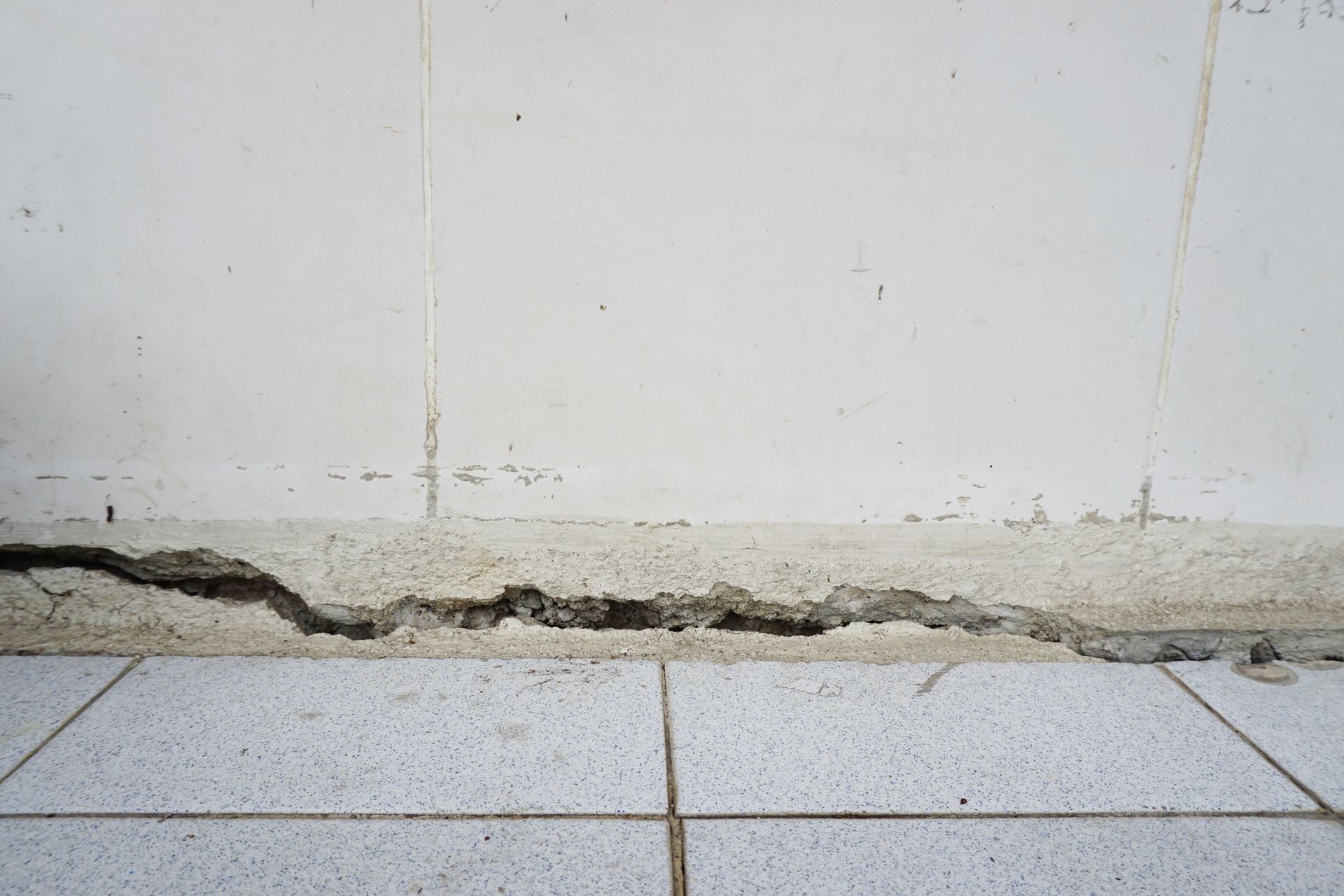
Structural cracks are fissures within a building's framework that can compromise its fundamental integrity. Unlike superficial or aesthetic cracks, structural cracks penetrate deeper into the building materials, such as concrete and steel. They often result from shifts in the foundation, settling, or the aging of construction materials. Without prompt intervention, these cracks can expand over time, diluting the strength of the structure and potentially leading to catastrophic failure. Understanding the nature and depth of structural cracks is essential, as not all cracks are immediately visible or predictable.
Structural cracks can stem from a multitude of origins, each affecting the stability of the building differently. One prevalent cause is the shifting or settling of a building's foundation, particularly common in areas with volatile soil types. For example, according to Groundworks, over 97% of modern, newly constructed single-family homes throughout the state of Texas are built on concrete slab-on-grade systems that rest directly on volatile surface soils. Such soils expand and contract with moisture levels, exerting stress on foundations. Additionally, natural disasters such as earthquakes or floods can instigate shifts resulting in structural cracks.
Structural cracks are diverse and categorized based on their appearance and location within the building. Horizontal and vertical cracks in walls often indicate foundational movements, while diagonal cracks could suggest uneven settling. Creep cracks occur gradually due to continued long-term stress and load-bearing. Not all cracks, however, spell doom; some might be minor and easily remedied. Thus, a thorough understanding of crack patterns and their implications can guide necessary repairs.
The Dangers of Ignoring Structural Cracks
Ignoring structural cracks significantly compromises the structural integrity of a building. Over time, as cracks grow, they weaken the support systems within walls, beams, and foundations, creating stress points that can lead to partial or full structural failure. As these cracks expand, they can trigger unpredictable structural movements, resulting in more significant damages and hazards. In some cases, such neglect has led buildings to become uninhabitable due to the risk they pose. Ensuring regular checks and repairs can aid in maintaining the resilience and longevity of structures.
Procrastination in dealing with structural cracks invariably results in swollen repair costs. Initially small and manageable, these cracks, if not addressed, can exacerbate, consequently demanding more extensive and labor-intensive remedies. The financial burden escalates manifold, as it involves more complex repairs that could have been otherwise averted with timely intervention. In many cases, minor fixes that could have cost a few hundred dollars mushroom into repairs demanding thousands. Regular maintenance and prompt responses are economically prudent, safeguarding property owners from such inflated expenditures.
Structural cracks, if left unchecked, pose serious safety hazards. Over time, what starts as a hairline fracture can lead to structural collapses, putting lives at risk. For buildings housing large numbers of people, such hazards are even more pronounced, with the potential for large-scale catastrophes. Beyond physical harm, resulting accidents can also have legal repercussions for property owners. Preventative action not only saves structural integrity but also ensures the safety and well-being of those within the building.
Structural cracks can significantly depreciate property values. Prospective buyers and real estate agents often view such flaws skeptically, associating them with impending costs and risks. Properties with visible and untreated structural cracks become harder to sell, and often at a reduced market price. To protect the investment, property owners should prioritize local foundation repairs and maintain comprehensive records that can ease transactions. Ensuring that a property remains in prime condition enhances its appeal and marketability.
The Science Behind Crack Propagation
Cracks develop over time through a series of stress factors acting on building materials. Initial micro-cracks can form during the construction phase due to inadequate curing or improper material handling. Over the years, these micro-cracks can connect and expand under repeated environmental stresses like temperature changes and moisture exposure. This propagation, if untreated, can lead to significant structural flaws, undermining a building's safety and durability. Timely intervention, thus, becomes critical to prevent these potential buildups from reaching critical failure points.
Several factors influence the rate and extent of crack propagation in structures. Environmental conditions such as frequent freeze-thaw cycles accelerate the expansion and contraction of materials, exacerbating crack progression. Additionally, structural loads that exceed design specifications can lead to accelerated wear, provoking further cracking. Poor material quality or construction practices can also predispose structures to more rapid crack development. Recognizing these influencing factors allows property owners to adopt corrective measures and limit the spread and severity of cracks.
Stress concentrations happen at specific points within a structure, leading to pronounced stress and crack formation. These stresses often form around openings or abrupt changes in geometry, creating weak points that can fail under pressure. As these areas endure increased stress over time, they may produce extensive crack patterns that jeopardize structural integrity. Understanding how and where stress concentrations occur helps in modifying designs to alleviate these problems. Design strategies, such as introducing reinforcements, can distribute stress more evenly and avert excessive crack development.
Preventive Measures and Early Intervention
Regular inspections and monitoring are crucial in preventing structural crack development. Routine assessments by experts who provide local foundation repair can identify emerging issues before they evolve into significant challenges, enabling timely interventions. Keeping up-to-date records of the building's condition and the various checks ensures continuity in property maintenance. This proactive approach minimizes surprises and equips property owners with the information needed to undertake strategic repairs. Such foresight preserves the structure’s integrity while alleviating costly emergency repairs.
Engaging professional expertise for structural assessment can offer valuable insights and recommendations. Engineers or building consultants can provide accurate evaluations of structural conditions and potential risks, based on their expertise in crack analysis. Professional advice can guide decisions on appropriate repair methods and long-term refurbishment strategies tailored to specific building needs. Expert intervention reassures tenants and property owners alike, fostering confidence in the structural safety and durability of the building. Relying on trusted professionals can stave off potential issues, ensuring that actions are both informed and effective.
Implementing timely repair techniques is instrumental in halting the progression of structural cracks. Repairs such as crack sealing, epoxy injection, and structural patching can address minor flaws before they culminate in extensive damage. Choosing the right repair methods depends on the type, severity, and location of cracks, underscoring the importance of professional assessment. Ensuring prompt local foundation repairs not only safeguards the property but also extends its lifecycle and usability. Regular maintenance and application of appropriate repair techniques demonstrate foresight and a commitment to structural health.
The importance of addressing structural cracks promptly cannot be overstated. Delaying repairs jeopardizes not only the integrity and value of the property but also the safety and well-being of its occupants. By understanding the nature of structural cracks and implementing early interventions, property owners can preserve safety, minimize costs, and maintain property value. Further, community engagement and policy support play critical roles in ensuring that structural issues are efficiently managed. Ultimately, fostering a culture committed to proactive and informed structural maintenance represents an investment in collective safety and structural longevity. For
local foundation repair you can rely on, contact Gonzo Foundation Repair today.