September 29, 2026
Understanding how deep foundations need to be placed is crucial for the stability and longevity of any structure. This article explores the various factors affecting foundation depth, different types of foundations, and the implications of improper depth. A foundation repair company can also help identify existing problems that may indicate an improperly designed or damaged foundation. The right foundation depth not only supports the structure above it but also ensures safety and structural integrity. The depth of a foundation is intrinsically linked to various geotechnical, environmental, and economic considerations. Making an informed decision on foundation depth can mitigate risks and potentially save high future costs.
Factors Influencing Foundation Depth
Soil composition plays a crucial role in determining the necessary depth of a foundation. Different types of soil, such as clay, sand, and silt, exhibit distinct load-bearing capacities that influence foundation requirements. Clay-rich soils, for example, are prone to significant expansion and contraction with moisture changes, necessitating deeper foundations to bypass this active layer. Conversely, rocky or sandy soils often provide more stability, allowing for shallower depth requirements. Engineers must conduct thorough soil testing to ascertain the suitable depth for a given site.
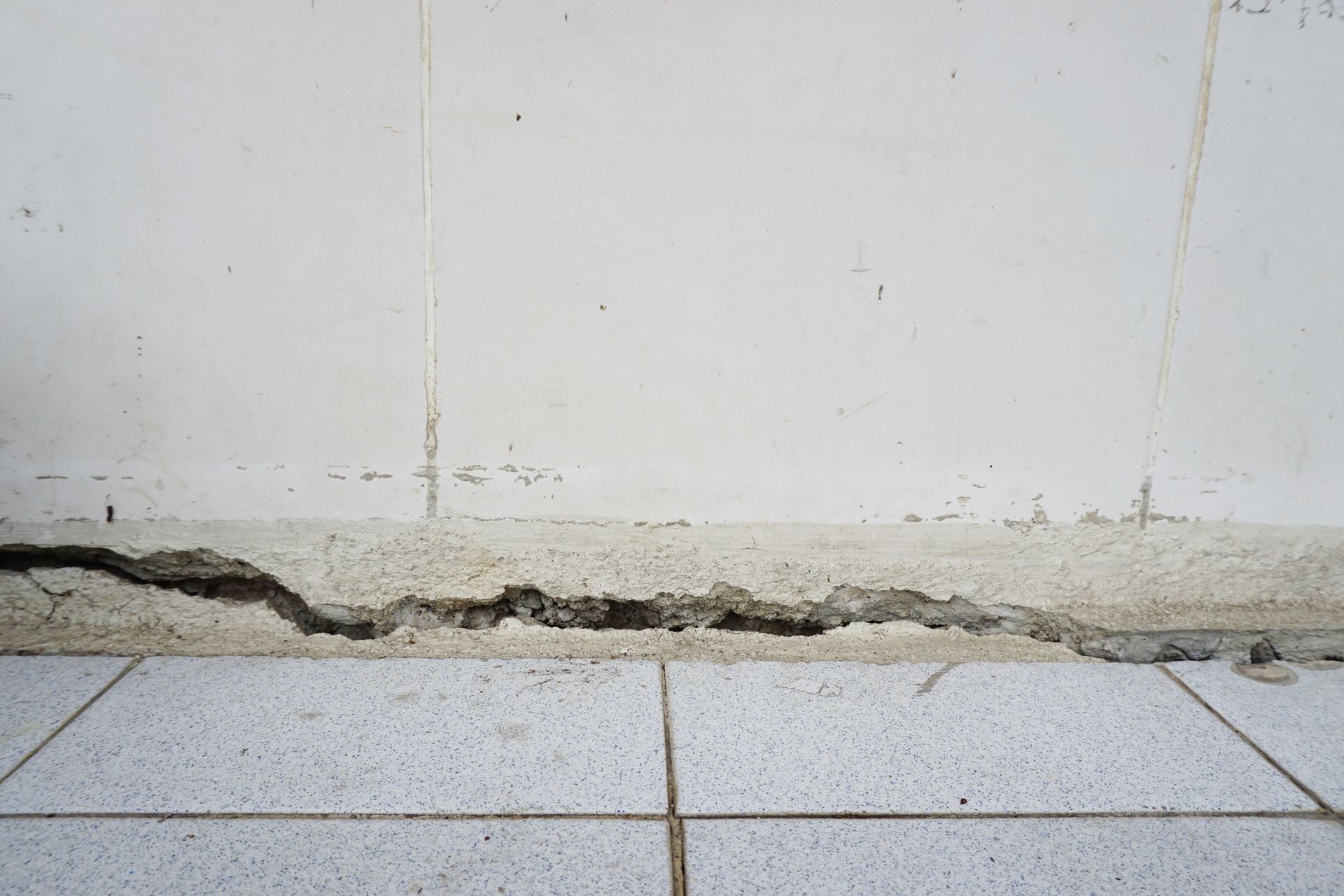
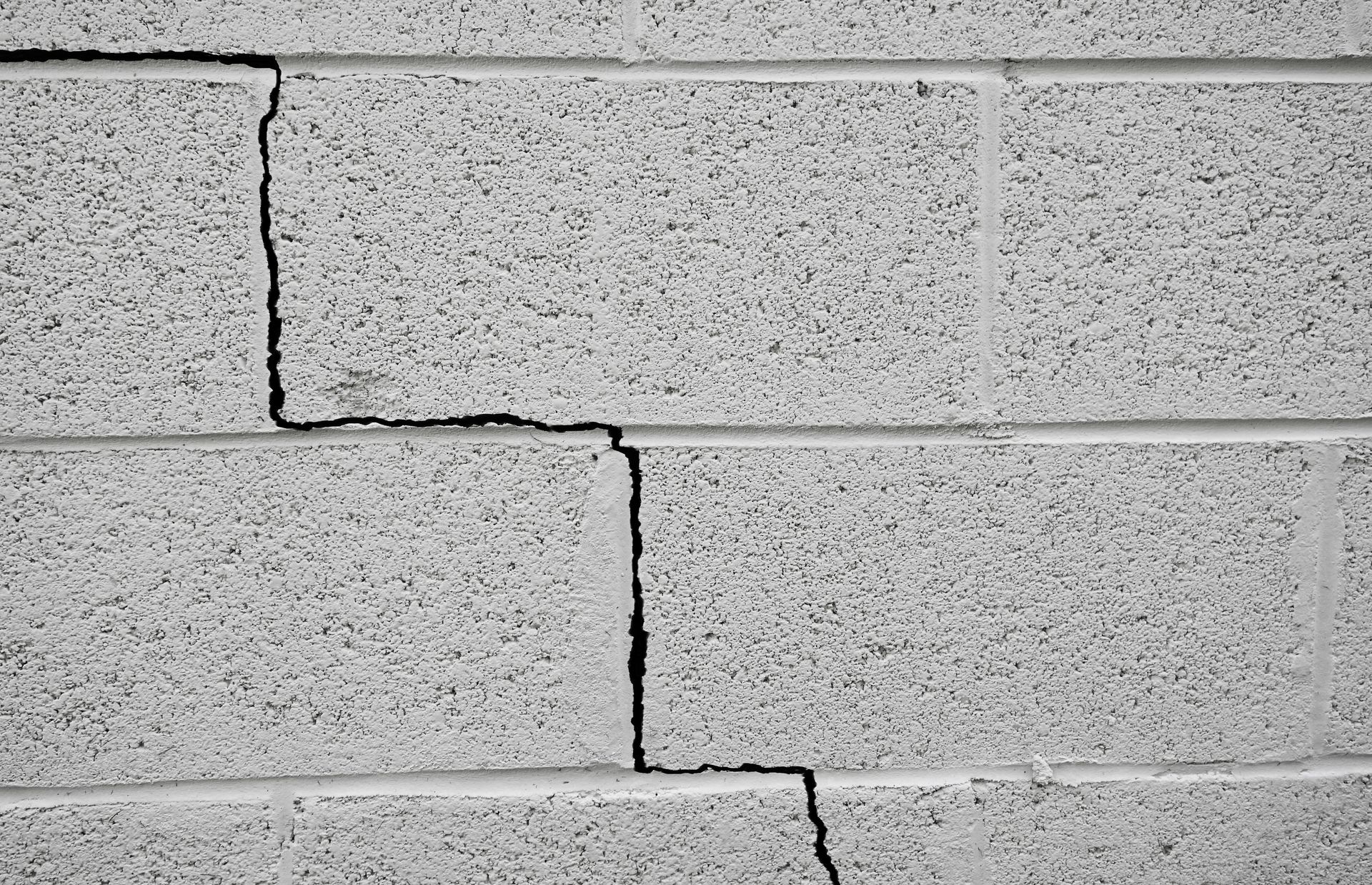
The presence of organic material within the soil can also adversely affect foundation stability. Organic matter tends to decompose over time, leading to voids and settlement issues if not addressed properly. Foundations built upon such soils may require deeper placements or even complete soil replacement to ensure structural safety. Regardless of the soil composition, comprehensive analysis and testing are crucial. Without proper soil assessment, any foundation is susceptible to failure. If settling, cracking, or shifting becomes apparent, a foundation repair company may be able to evaluate the affected areas and determine whether underlying soil or foundation conditions are contributing to the problem.
Soil density and compaction are additional influencing factors when considering foundation depth. Denser, well-compacted soils can better distribute the weight of a structure, potentially allowing for shallower foundations. However, if the soil is loose or poorly compacted, the opposite holds true, demanding deeper structural bases to reach more stable strata. Soil composition thus serves as a foundational consideration that significantly impacts depth decisions.
The load-bearing capacity of the intended structure contributes significantly to the required foundation depth. A taller structure with a higher center of gravity imposes increased demands on its foundation, necessitating deeper anchorage to maintain stability. Conversely, smaller buildings with lesser weight might suffice with shallower foundations. Engineers must calculate the load distribution throughout the structure to determine the best design approach. Incorrect assumptions about load-bearing needs can lead to serious structural problems. When signs of foundation movement develop after construction, consulting a foundation repair company can help determine whether the issue is related to foundation depth, soil conditions, or changes in structural loads.
Load-bearing capacity is also influenced by additional factors such as the building's usage and occupancy levels. A commercial building, likely experiencing constant heavy loads, may need deeper foundations than an equivalent residential property due to higher anticipated wear and load changes. Similarly, designing for dynamic loads such as vehicular movement or machinery vibration requires special consideration to prevent settlement. Properly accounting for these factors ensures a foundation's resilience through its operational lifespan.
Climate and weather conditions exert a significant influence on foundation depth requirements. In colder climates, foundations need to be deeper to protect against frost heave, which can destabilize structures. According to This Old House, modern building codes in colder climates often mandate foundation footings at least four feet deep for frost protection. For older homes, this depth was sometimes as shallow as 36 inches, increasing the risk of structural movement due to frost action. The depth ensures that the foundation extends below the frost line, where ground freezing and thawing occur.
In regions susceptible to frequent flooding or heavy rainfall, foundation depth must be adjusted to prevent water intrusion issues. Elevated water absorption by soil can lead to expansion and subsequent structural stress. Foundations designed to clear local flood thresholds can avoid these complications. Additionally, incorporating flood-resistant materials and drainage systems can enhance foundation resilience. This protective approach safeguards the structural elements against environmental stressors.
Types of Foundations
Shallow foundations, also known as spread footings or open foundations, generally reach depths of less than three meters. These foundations are typically used in situations where soil conditions are favorable, and the structure's load is not extremely heavy. Shallow foundations distribute the building's weight directly to the ground surface, utilizing wider bases typically to spread the load more evenly, thereby ensuring stability. This type of foundation proves cost-effective and speedier to construct compared to deeper alternatives, making them popular for residential projects and low-rise buildings. Opting for shallow foundations requires a comprehensive understanding of soil stability and load distribution.
While shallow foundations are common in many building scenarios, they do come with certain limitations. For instance, they might not be ideal in areas with significant potential for soil erosion, liquefaction, or other degradation impacts. When facing adverse soil or climatic conditions, inadequate depth can lead to settlement challenges. Architects, therefore, often rely on advanced engineering tools and historical data to ensure the feasibility of implementing shallow foundations. Soil stabilization techniques or additional structural components might be employed to compensate for these constraints.
The decision to utilize a shallow foundation should also consider future developments and potential increases in structural load. Retrofitting options exist, but anticipating and accommodating growth in the initial design phases is often more effective. Properly designed shallow foundations can meet the performance needs of small to medium-sized structures while keeping construction budgets in check. If a shallow foundation begins experiencing settlement or movement, a foundation repair company can assess the condition and identify potential repair needs before the issue becomes more extensive. Ultimately, site assessments and expert input dictate their appropriate usage.
Deep foundations are designed to transfer the load of a structure entirely or partially through strata of weaker soil or onto a more stable layer situated deeper below the surface. These foundations surpass three meters in depth and are most applicable in areas with poor surface soil stability, high load demands, or when risk factors like high water tables are present. Their increased depth ensures stability by engaging with layers that can sustain heavier loads with minimal settlement risk. In addition, they offer more flexibility overall when dealing with dynamic and lateral loads compared to their shallow counterparts. This makes deep foundations ideal for larger structures, such as skyscrapers and bridges.
The main types of deep foundations include pile foundations, drilled shafts, and caissons. Each variety is tailored to address specific challenges encountered in construction settings, emphasizing adaptability in design. While the initial costs for deep foundations may be higher due to complexities in excavation and construction, their contribution to long-term stability and functionality can outweigh these considerations. Advanced technology and equipment have streamlined the deep foundation process by enabling more accurate installations and efficient material use. Innovations in this domain continue to improve the economic and functional viability of deep foundation systems.
Employing deep foundations can effectively reduce the risks associated with natural disasters, such as earthquakes and flooding, due to their robust structural integration. More profound anchoring mitigates shifts and destabilizing forces by directly connecting the superstructure to more stable zones. This method not only prevents catastrophic failure but also prolongs the lifespan of significant investments in infrastructure projects. Undoubtedly, the choice of employing such foundations requires detailed geotechnical investigation and high-level engineering expertise to successfully integrate them into construction plans. Integrative design considerations with future resilience in mind make deep foundations a viable solution to prevailing infrastructural challenges in unpredictable environments.
Determining the appropriate foundation depth requires careful consideration of soil conditions, structural loads, climate, water levels, and the type of foundation being used. Both shallow and deep foundations can provide reliable support when properly designed for site-specific conditions. Thorough soil testing and professional engineering guidance can reduce the risk of settlement, movement, and costly structural problems. When existing foundation issues arise, a
foundation repair company can evaluate the damage and help determine appropriate next steps. Contact Gonzo Foundation Repair today for more information.