September 28, 2026
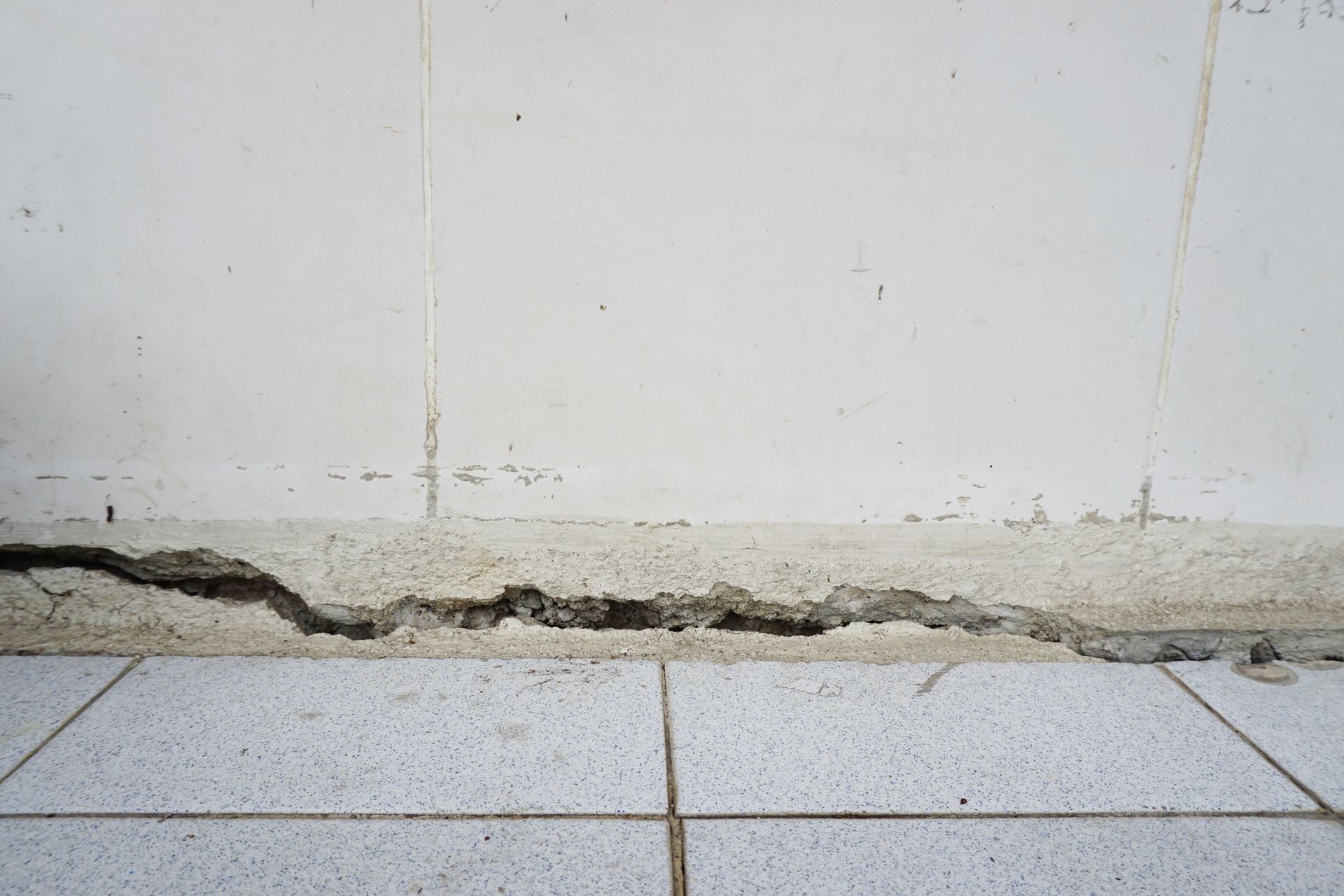
Foundation cracks can be easy to overlook, especially when they begin as thin lines along basement walls, concrete slabs, or exterior masonry. However, cracks can sometimes indicate movement, moisture intrusion, soil pressure, or other conditions that may affect the stability and comfort of a home. Not every crack signals a major structural problem, but homeowners should pay attention to changes in size, direction, location, and surrounding materials. Understanding how foundation cracks can affect different parts of a property can make it easier to recognize when professional evaluation may be appropriate. In some cases, foundation repair can address developing problems before they contribute to more extensive damage. By monitoring visible changes and understanding what they may mean, homeowners can take a more informed approach to protecting their property.
Allowing Water to Enter the Home
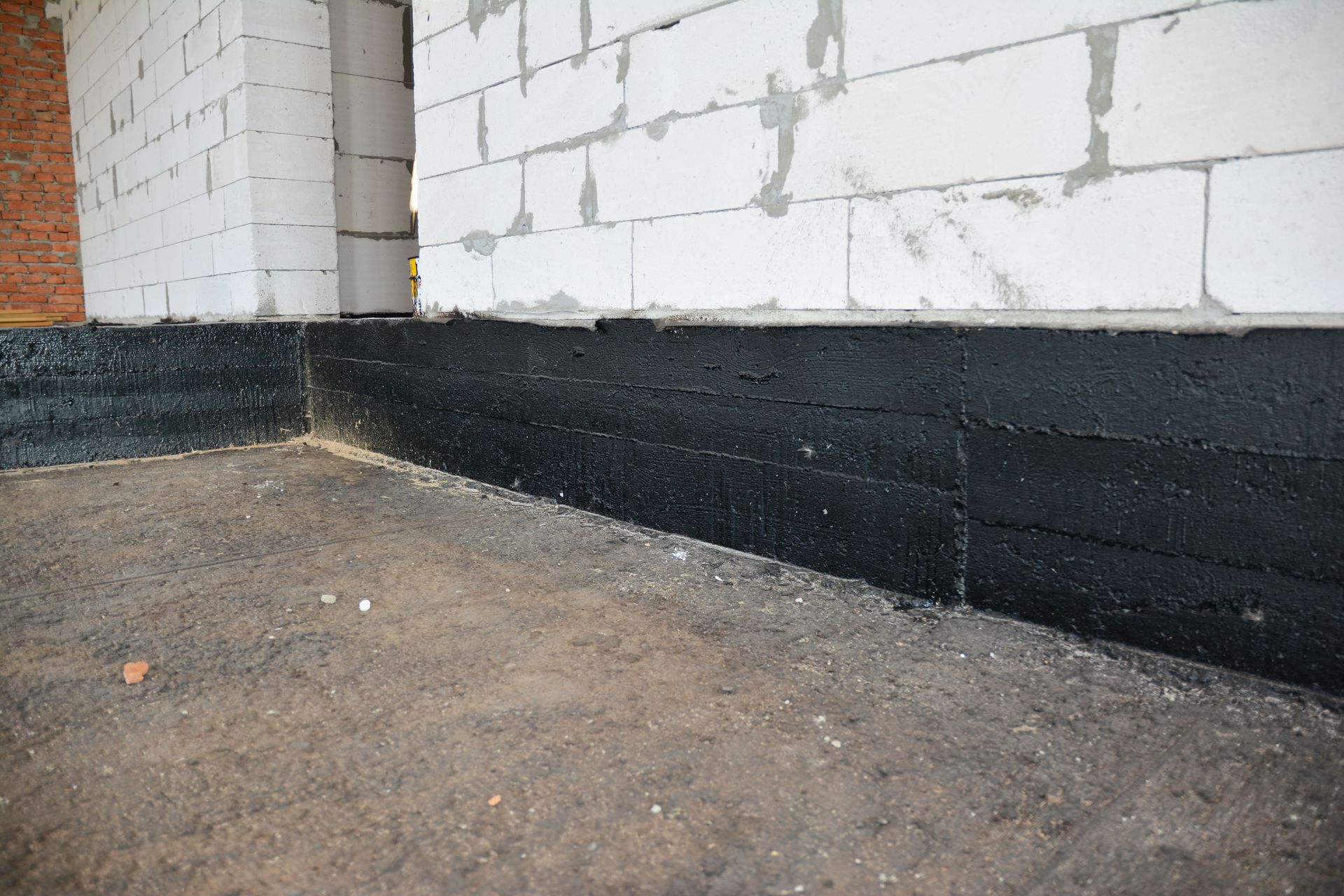
Foundation cracks can create openings that allow moisture to move into basements, crawl spaces, or lower-level living areas. Water may enter during heavy rain, snowmelt, or periods when the soil surrounding the home becomes saturated. Even small cracks can sometimes allow dampness to develop along walls or floors. Over time, homeowners may notice water stains, musty odors, peeling paint, damp insulation, or moisture collecting near the foundation. Persistent moisture can also make storage areas less usable and may contribute to damage involving finishes, framing, or other materials located near the affected area.
Addressing the source of the moisture is important because simply cleaning up visible water may not prevent the problem from returning. Drainage conditions, grading, gutters, downspouts, and exterior soil conditions may all influence how much water reaches the foundation. A professional inspection can help determine whether a crack is contributing to water intrusion and whether foundation repair or another corrective measure is appropriate. Identifying the cause early may help homeowners reduce repeated moisture problems and protect areas of the home that could otherwise be exposed to ongoing dampness.
Creating Uneven Floors and Interior Surfaces
Foundation movement can sometimes affect the floors and interior surfaces above it. As sections of the foundation shift or settle at different rates, floors may begin to slope, dip, or feel uneven underfoot. Homeowners may also notice cracks forming in drywall, ceilings, tile, or other finishes. These changes may develop gradually, which can make them easy to dismiss at first. However, multiple symptoms appearing in the same area may indicate that movement beneath the home is influencing the structure above it.
Uneven surfaces can affect both appearance and function. Furniture may no longer sit level, doors may swing open or closed on their own, and flooring materials may begin separating or cracking. In some situations, foundation repair can help stabilize the affected areas and reduce further movement. Because cosmetic repairs alone may not address the underlying cause, homeowners should consider the broader pattern of changes throughout the property. Tracking when cracks, slopes, or gaps first appear can provide useful information during a professional evaluation.
Causing Doors and Windows to Stick
Doors and windows depend on relatively square and stable openings to operate correctly. When foundation movement affects the framing of a home, those openings can shift slightly out of alignment. A door that once opened smoothly may begin rubbing against the frame, while a window may become difficult to raise, lower, or lock. Homeowners might also notice gaps around frames, uneven spacing, or cracks developing near corners. These symptoms can sometimes be caused by humidity or normal material movement, but repeated or widespread changes may deserve closer attention.
Foundation-related movement does not always occur evenly, which is why some doors and windows may function normally while others become increasingly difficult to use. A contractor can evaluate whether the problem appears isolated to the opening itself or may be connected to structural movement. If the foundation is contributing to the issue, foundation repair may help address the source rather than repeatedly adjusting doors, windows, or trim. Correcting only the visible symptom may provide temporary improvement without preventing continued movement.
Increasing Stress on Walls and Framing
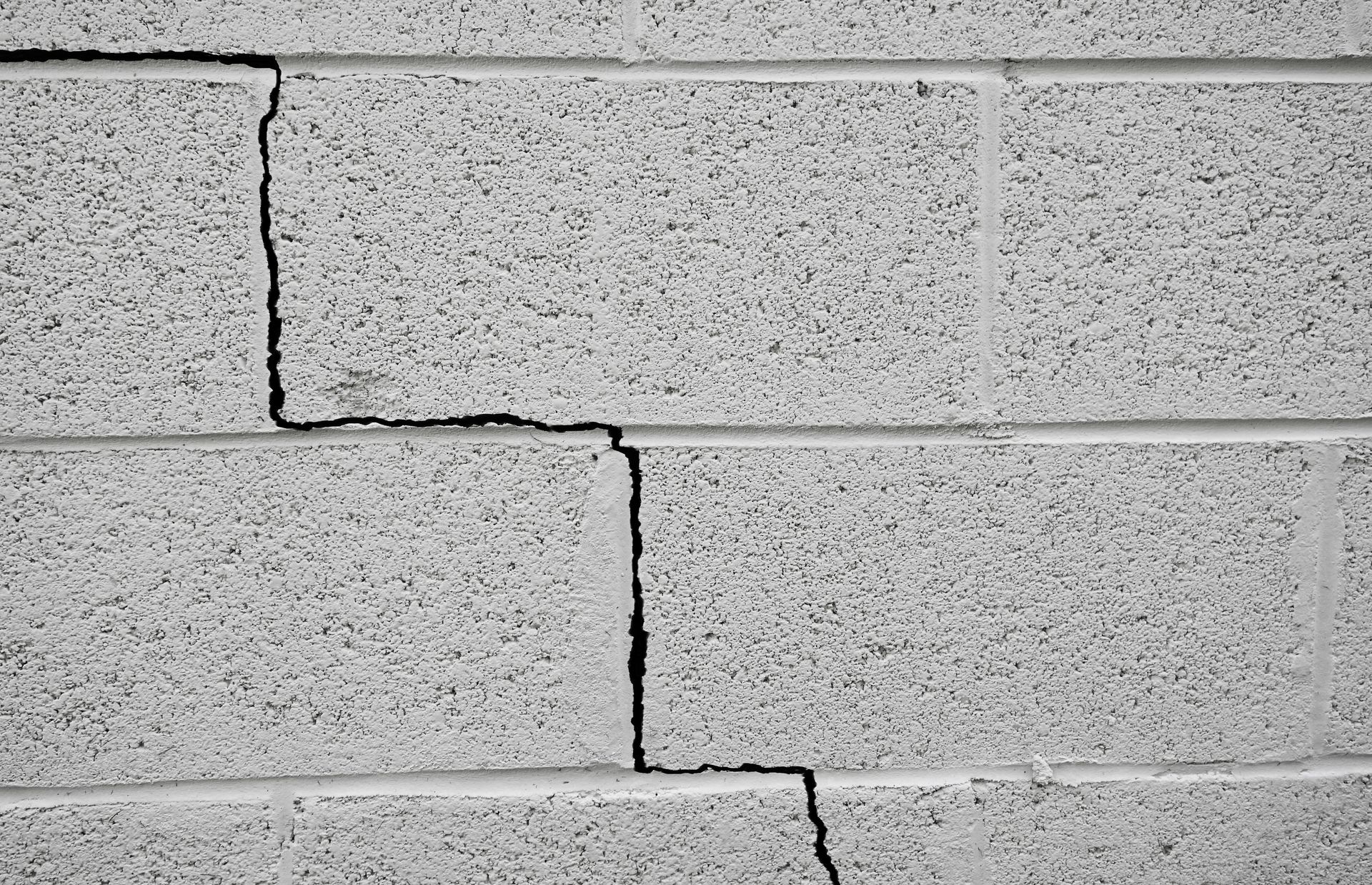
A home's foundation supports the structure above it, including walls, floors, framing, and roofing components. When part of the foundation settles, shifts, or moves differently from another section, additional stress may be transferred into the building. Interior drywall can crack, exterior masonry may separate, and framing connections may experience movement. Cracks above doors and windows, stair-step cracking in brick, or separation between walls and ceilings can sometimes develop when structural components are responding to changes below.
The severity of these effects can vary depending on the type of foundation, soil conditions, construction methods, and amount of movement involved. Some cracks may remain stable for years, while others may widen or change over time. Foundation repair may be recommended when movement is significant enough to threaten continued stability or cause recurring structural symptoms. A professional evaluation can help distinguish between minor cosmetic cracking and conditions that may require more substantial corrective work. Monitoring changes can also provide valuable evidence about whether the problem is active or stable.
Making Future Repairs More Extensive
Foundation cracks do not always require immediate major work, but delaying an evaluation can sometimes allow a developing issue to become more complicated. A small crack associated with active settlement may widen, while related symptoms such as wall cracks, sticking doors, or uneven floors may become more noticeable. Moisture intrusion can also worsen if an opening expands or drainage conditions remain unchanged. As more parts of the home become affected, correcting the problem may require additional work beyond the original crack itself.
Early attention can make it easier to understand what is happening before significant changes occur. According to This Old House, foundation repair projects typically take between one and five days, but projects involving more extensive work can extend beyond a week. The amount of work required depends on the type and severity of the problem, the repair method, and site conditions. Scheduling an inspection when changes first become noticeable can help homeowners better understand their options and determine whether foundation repair should be completed before additional areas of the structure are affected.
Lowering Confidence in the Property's Condition
Visible foundation cracks can create uncertainty for homeowners and prospective buyers because they raise questions about the overall condition of the property. Even when a crack turns out to be minor, its appearance may cause concern until the cause is understood. Larger cracks, repeated patching, uneven floors, or related structural symptoms can make people wonder whether additional problems are hidden behind walls or beneath finished surfaces. This uncertainty may become especially important when preparing to sell, refinance, renovate, or make other long-term decisions involving the home.
A professional evaluation can provide clearer information about the condition of the foundation and whether corrective work is necessary. Documentation of inspections and completed foundation repair may also help homeowners keep a more complete record of how structural concerns were addressed. Understanding the source of cracking can make it easier to plan maintenance, repairs, or improvements with greater confidence. Rather than relying on appearance alone, homeowners can use professional findings to make informed decisions about the condition and future care of the property.
Foundation cracks can affect much more than the concrete or masonry where they first appear. They may contribute to moisture intrusion, uneven floors, sticking doors and windows, wall damage, structural stress, and concerns about the overall condition of a home. Because cracks can result from many different causes, homeowners should pay attention to changes in width, direction, location, and surrounding surfaces rather than assuming every crack is harmless or severe. Professional foundation repair can help address problems caused by settlement, pressure, movement, or other structural conditions while reducing the risk of further damage. If you have noticed cracks or other signs of foundation movement around your property, contact Gonzo Foundation Repair.