August 26, 2026
A beautifully paved driveway can make a strong first impression, but what happens beneath the surface can be just as important as what homeowners see above it. Soil movement, poor drainage, erosion, and changes in ground conditions can create empty spaces beneath concrete or asphalt. These underground voids may remain hidden for months or even years before their effects become visible.
When the ground beneath a driveway loses its ability to provide consistent support, sections of the surface can begin to settle. Cracks, uneven areas, gaps, and depressions may eventually develop, creating both functional and aesthetic concerns. In some situations, the visible driveway damage is actually a symptom of a deeper foundation or soil problem that requires professional evaluation.
Understanding How Underground Voids Form
Underground voids can develop for several reasons, and water is frequently an important factor. When rainwater or runoff moves through soil, it can gradually wash away fine particles and create hollow areas beneath a driveway. Improper drainage, leaking pipes, and changes in the surrounding landscape can also contribute to soil erosion.
Soil composition can influence how easily these spaces form and how much support remains beneath the pavement. Loose, poorly compacted, or shifting soil may settle naturally over time, leaving gaps beneath a driveway surface. Once a void becomes large enough, the pavement above it may no longer have the consistent support necessary to remain level.
Identifying How Driveways Begin Settling
Driveway settlement does not always happen suddenly. Small changes may appear gradually, such as shallow depressions, uneven sections, or cracks that were not previously present. Homeowners may initially assume these imperfections are simply the result of normal aging, but changes in the surface can sometimes indicate movement below.
As underground support continues to change, larger portions of the driveway may begin sinking. Water can collect in low areas, which may further contribute to erosion and deterioration. Recognizing these changes early gives property owners an opportunity to have the underlying conditions evaluated before the problem becomes more extensive.
Recognizing How Water Accelerates Erosion
Water is one of the most important factors to consider when evaluating underground voids. Poor drainage can allow water to travel beneath a driveway instead of being directed safely away from the property. As water moves through soil, it can carry particles with it and gradually enlarge spaces below the surface.
Repeated exposure to runoff can make an existing void increasingly unstable. Seasonal rainfall and changing moisture conditions may also cause soil to expand, contract, or shift. When water continues reaching the same vulnerable area, the resulting erosion can eventually affect the stability of the driveway and surrounding structures.
Examining How Soil Movement Affects Support
Soil naturally responds to changes in moisture, pressure, temperature, and surrounding conditions. Some soils expand when they absorb water and contract as they dry, creating movement that can affect structures above them. Other soils may compress or settle when subjected to sustained loads.
Driveways are particularly vulnerable when the supporting soil is inconsistent beneath different sections of the surface. One portion may remain stable while another settles, creating an uneven transition. Over time, this differential movement can lead to cracks, separation, and visible changes in the driveway's slope.
Connecting How Drainage Influences Stability
Drainage should be considered whenever a driveway begins showing signs of settlement. Water that does not have an appropriate path away from the property can collect near pavement edges, travel beneath the surface, or enter existing cracks. These conditions can contribute to continued erosion and soil movement.
Professional evaluation can help determine whether drainage patterns are contributing to the problem. A foundation repair service can assess surrounding conditions and identify whether water management, soil instability, or another factor may be affecting the property. Understanding the source of movement is important because repairing only the visible surface may not address the underlying cause.
Evaluating How Voids Threaten Pavement
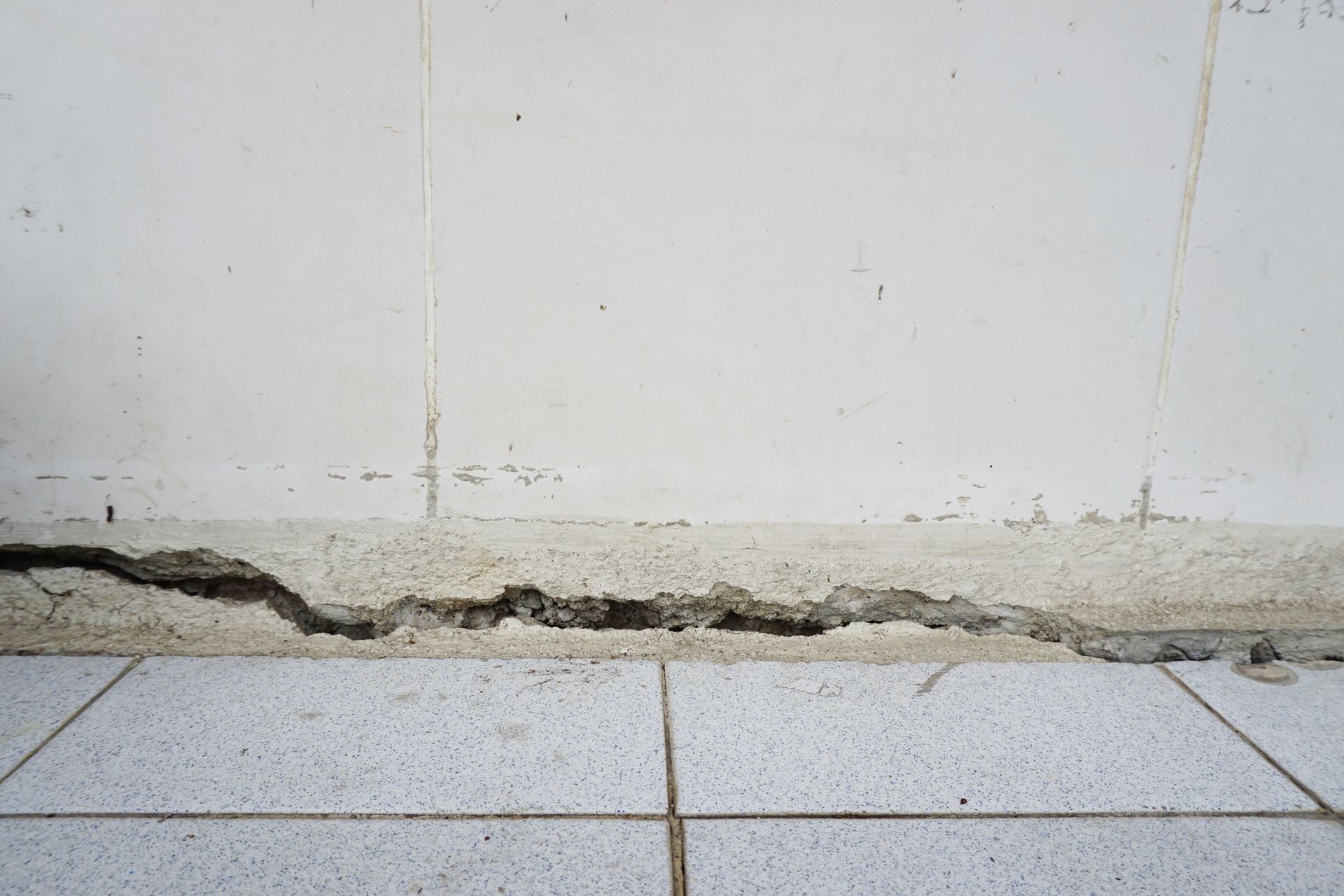
A driveway relies on the soil and aggregate beneath it for support. When that support becomes inconsistent, sections of concrete or asphalt can experience stress that was not present when the driveway was properly supported. Over time, this stress can contribute to cracking, sinking, or separation between sections.
Larger voids can create especially significant concerns because the surface may eventually lose contact with the supporting material below. Even if the driveway initially appears stable, continued erosion can increase the size of the unsupported area. Professional assessment can help determine how much of the surface may be affected and whether surrounding areas should also be examined.
Connecting How Settlement Effects Foundations
Driveway settlement can sometimes occur independently of a home's foundation, but both may be influenced by similar soil and water conditions. If the same drainage or soil instability affects areas around the property, movement may appear in more than one location. Cracks near the foundation, uneven floors, sticking doors, or other structural changes may warrant additional attention.
According to Dataintelo, settlement repairs account for approximately 38.4% of the global foundation repair market, making sinking and settling structures the largest portion of that market. This highlights how frequently settlement-related conditions require professional attention. When driveway movement appears alongside other signs of settlement, a foundation repair service can help evaluate whether a broader structural concern may be present.
Examining How Cracks Reveal Movement
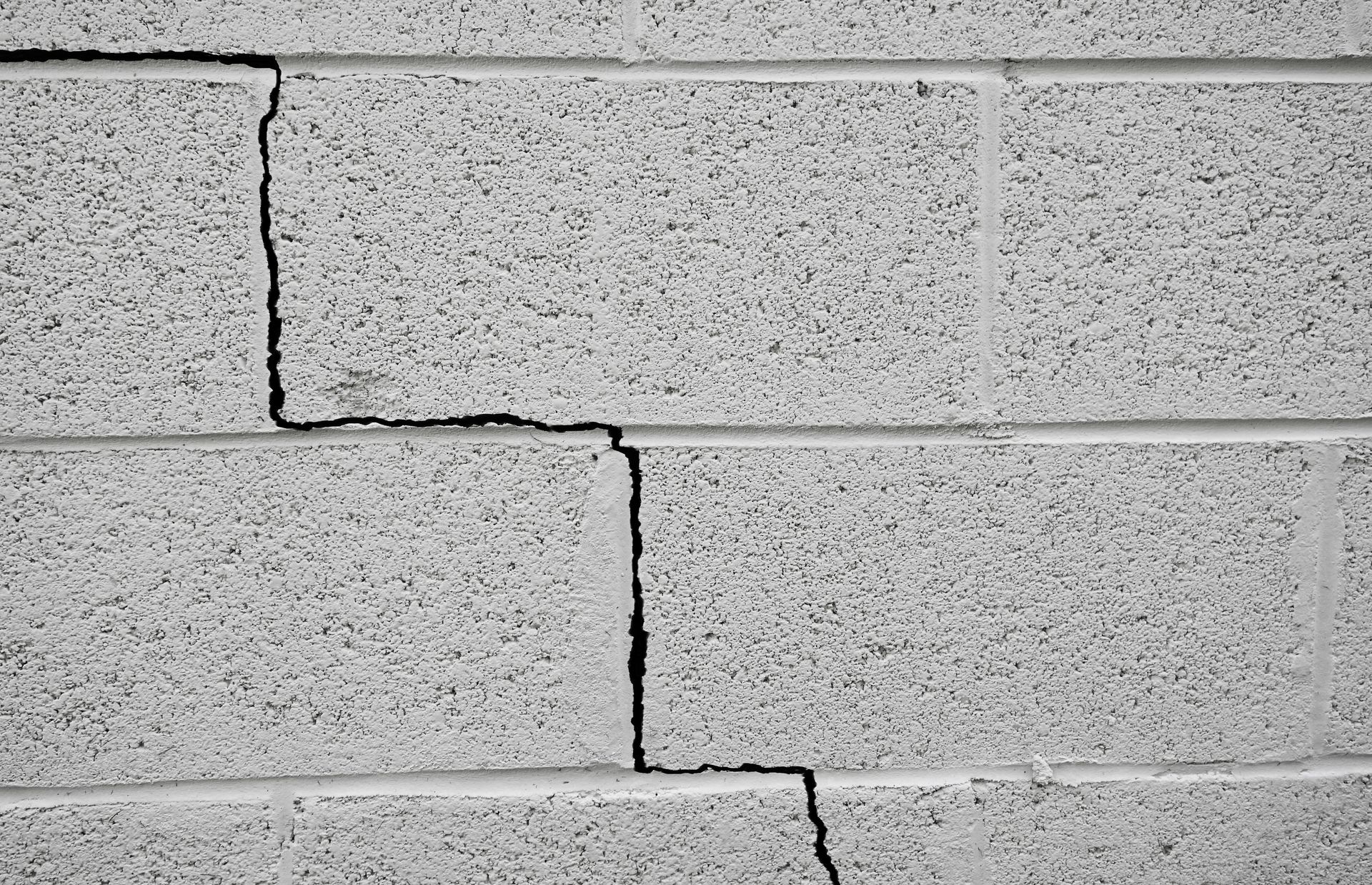
Not every driveway crack has the same meaning. Some cracks may result from ordinary surface aging, temperature changes, or minor wear, while others can be associated with movement beneath the pavement. The pattern, location, width, and progression of cracks can provide useful clues about what is happening below the surface.
Cracks that continue growing or appear alongside sinking sections deserve particular attention. Gaps between driveway sections, separations near the home, and uneven transitions may also indicate that the supporting ground has changed. Professional technicians can evaluate these patterns in context rather than treating every crack as an isolated surface problem.
Understanding How Professional Evaluations Work
A professional evaluation focuses on more than the visible driveway damage. Technicians may examine the surrounding soil, drainage patterns, foundation areas, pavement condition, and other indicators of movement. This broader assessment can help identify whether the driveway problem is isolated or connected to a larger issue.
A foundation repair service may use observations and appropriate diagnostic methods to determine the likely cause of settlement. The goal is to understand why the ground has become unstable before recommending an appropriate solution. This approach can help property owners make decisions based on the actual condition of the property rather than simply addressing the most noticeable symptom.
Exploring How Repairs Restore Stability
The appropriate repair method depends on the cause, extent, and location of the underlying problem. Different conditions may require different approaches to stabilize affected areas and address the source of movement. Professional contractors can evaluate these factors before determining which solution is appropriate.
A
foundation repair service may address soil-related instability, structural movement, or other conditions contributing to settlement. In some situations, improving drainage may be an important part of addressing the underlying problem. Correctly identifying the cause allows repairs to focus on long-term stability rather than simply covering visible damage.
When settlement, cracks, depressions, or drainage concerns appear, professional evaluation can reveal what is happening beneath the surface. At Gonzo Foundation Repair, we understand that visible damage can sometimes point to deeper soil or structural conditions. Contact Gonzo Foundation Repair today to schedule a professional evaluation and learn how our team can help protect your property from the effects of settlement and underground voids.