July 30, 2026
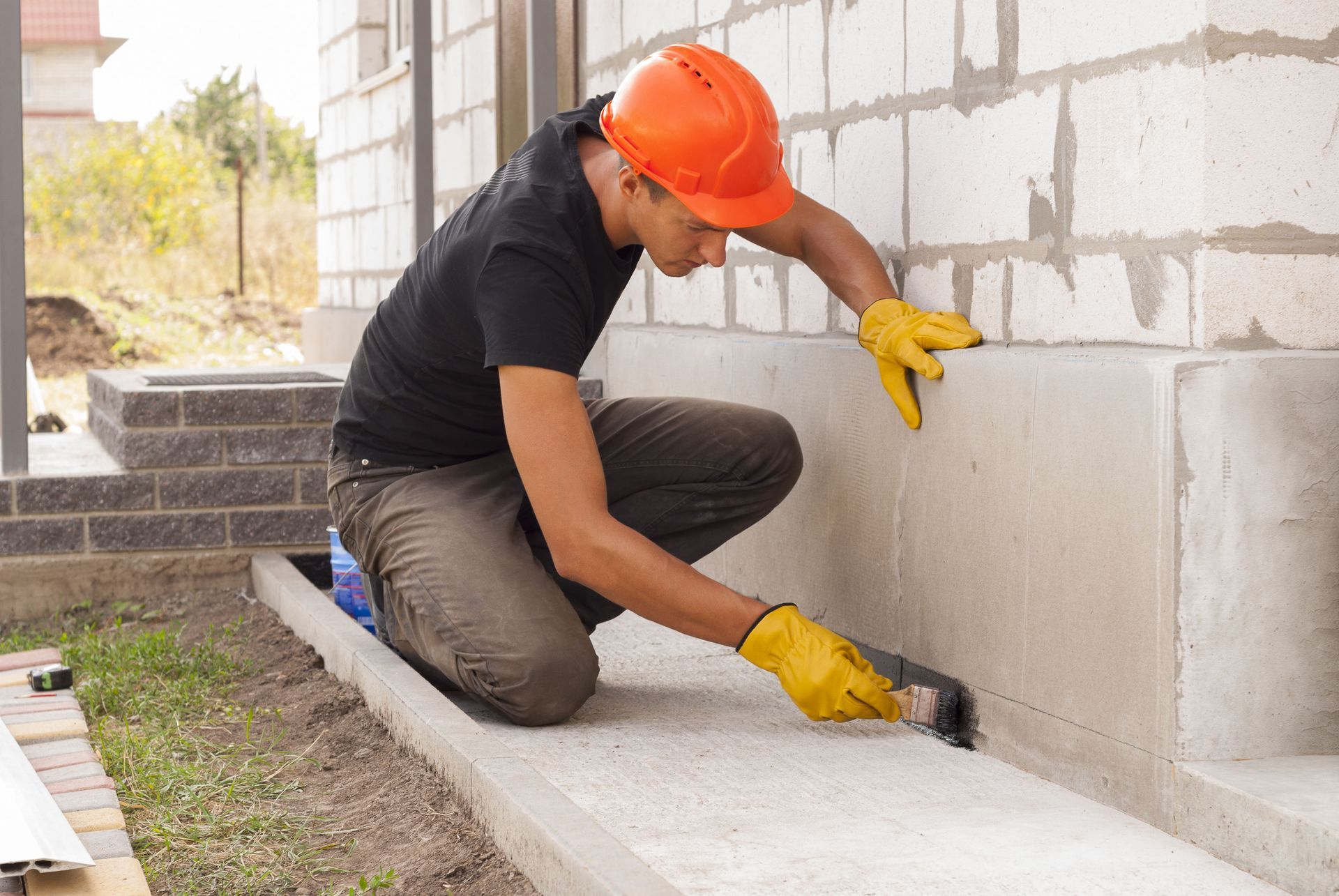
When you own a home built on a concrete slab, it is easy to assume the structure beneath your feet is invincible. Concrete is heavy, dense, and durable, but it is entirely at the mercy of the soil it rests upon. When that soil shifts, expands, or washes away, the rigid concrete above it faces immense stress. By taking proactive maintenance steps, you can protect your home's structural integrity, preserve your property value, and significantly delay or entirely prevent the need for an emergency foundation repair service later down the road.
According to This Old House data, 26% of American homes sit on slab foundations, which are typically 3.5-inch thick concrete pads. While these 3.5 inches of concrete provide an excellent barrier between your home and the earth, they require specific environmental conditions to remain stable. Here is your comprehensive guide to protecting your slab and keeping your home on solid ground.
Understanding Your Concrete Slab
To protect your slab, you must first understand how it works. A slab foundation is exactly what it sounds like: a flat, continuous layer of concrete poured directly onto the ground, usually over a layer of sand or gravel for drainage. The edges are typically poured thicker to form footings, creating a solid base for the perimeter walls.
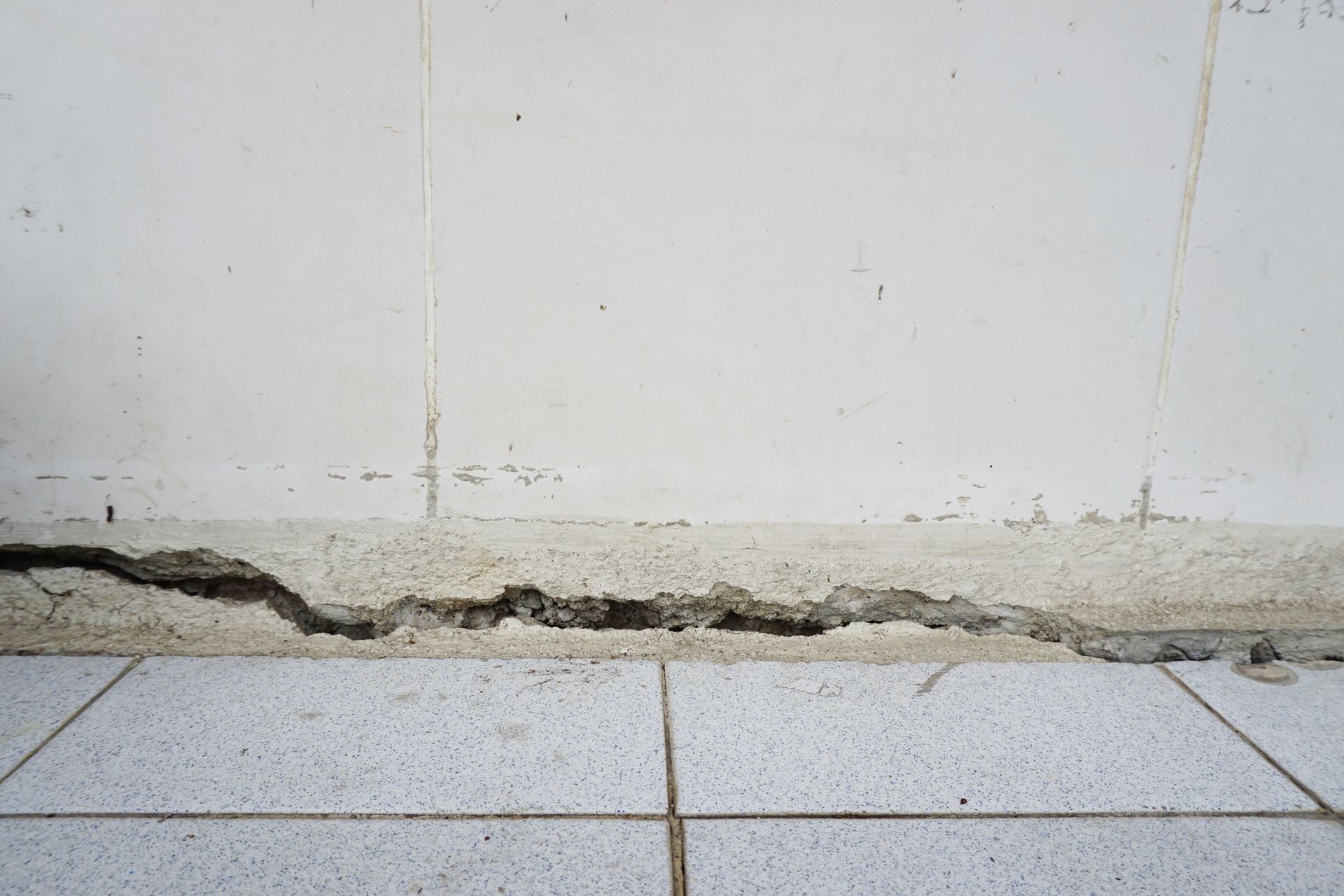
Because a slab rests directly on the earth, its stability is intrinsically linked to soil health. If the soil beneath the slab expands evenly, the slab rises evenly. If the soil contracts, the slab drops. The danger arises when the soil moves unevenly—for example, if one corner of the house becomes saturated while the opposite corner remains bone-dry. This differential movement creates bending forces that the rigid concrete cannot withstand, leading to stress cracks, uneven floors, and sticking doors. Reaching out to a foundation repair service before this minor settling becomes major structural failure is crucial, but preventing the movement in the first place is even better.
Maintaining Consistent Soil Moisture
The single most critical factor in slab foundation health is moisture consistency. Many homes are built on expansive clay soils, which act like a sponge. When wet, clay soil expands and pushes upward against your home (a process called heaving). When dry, the clay shrinks and pulls away from the slab, removing the critical support your home relies on (a process called settlement).
The goal is not to keep the soil perfectly dry or completely saturated, but to keep it consistently damp year-round. Drastic fluctuations in soil moisture are often the primary reason homeowners eventually require a foundation repair service.
How to maintain moisture equilibrium:
- Install a soaker hose system: During dry summer months or extended droughts, place a soaker hose 12 to 18 inches away from the perimeter of your home.
- Water strategically: Run the hose for 15 to 20 minutes a day, or enough to keep the soil damp but not muddy. Never allow water to pool against the concrete.
- Monitor the soil gap: If you notice a visible gap forming between the soil and the side of your foundation, the ground is too dry and has begun to shrink. Increase your watering schedule immediately.
Directing Water Away From Your Home
While consistent moisture is vital, pooling water is a slab's worst enemy. When heavy rains arrive, water that accumulates near the base of your home can oversaturate the soil, leading to rapid expansion. Worse, fast-moving water can wash away the loose soil beneath your slab, creating empty voids. Without the ground to support it, the heavy concrete will eventually crack and collapse into the void.
Proper yard drainage can help you avoid the steep costs associated with a foundation repair service. You must control where water flows from the moment it hits your roof to the moment it leaves your property.
Key drainage strategies:
- Maintain your gutters: Seamless gutters should run the entire perimeter of your roofline. Clean them at least twice a year to prevent overflow from spilling directly at the base of your walls.
- Extend your downspouts: A downspout that dumps water right next to the concrete is actively undermining your home. Use extensions to route roof runoff at least 5 to 6 feet away from the perimeter.
- Ensure proper grading: The ground immediately surrounding your house must slope downward and away from the exterior walls. The standard rule for foundation grading is a 5% slope—meaning the ground should drop about 6 inches over the first 10 feet moving away from the house.
Managing Trees and Landscaping Roots
Trees and large shrubs add immense beauty and shade to your property, but their root systems can wreak havoc on concrete slabs. A mature tree can consume gallons of water a day. If planted too close to your home, the root system will pull all the moisture out of the soil directly beneath your foundation, causing localized settlement.
Furthermore, aggressive roots can exert immense physical pressure. As they grow thicker, roots can press against perimeter footings or infiltrate pre-existing microscopic cracks, widening them over time and requiring interventions from both an arborist and a foundation repair service.
Rules for foundation-safe landscaping:
- Respect the canopy rule: As a general guideline, a tree's root system extends outward about as far as its branches (the canopy). Never plant a tree closer to your home than its estimated mature height.
- Install root barriers: If you already have a mature tree near your home that you do not want to remove, you can install a mechanical root barrier. This involves digging a trench between the tree and the house and inserting a rigid, impenetrable panel of plastic or metal that forces roots to grow downward rather than horizontally toward your home.
- Avoid thirsty shrubs: Avoid planting large, moisture-demanding shrubs directly against the exterior walls. Opt for shallow-rooted, drought-tolerant plants for your immediate perimeter flower beds.
Monitoring Your Sub-Slab Plumbing
Because slab foundations are poured directly onto the ground, the home's primary plumbing lines—both the pressurized supply lines and the gravity-fed sewer lines—are typically embedded directly inside or buried underneath the concrete pad.
When one of these pipes develops a leak (often called a slab leak), it releases water directly into the soil supporting your home. A steady leak from a pressurized copper line can wash away massive amounts of soil in a matter of weeks, creating a sinkhole effect beneath your floors. Fixing this requires a plumber to break through the concrete to fix the pipe. Afterward, a foundation repair service must stabilize the undermined concrete and fill the void.
Signs you may have a sub-slab plumbing leak:
- Unexplained spikes in water bills: If your usage habits haven't changed but your bill has doubled, water is escaping somewhere.
- Warm spots on the floor: A leak in a hot water supply line will heat the surrounding concrete, creating noticeably warm patches on your tile, hardwood, or carpet.
- The sound of running water: If all faucets and appliances are turned off, but you can still hear a faint rushing or hissing sound in the walls or floors.
- Sudden cracks or moisture: Baseboards that begin to warp, damp spots on carpets, or sudden, widening cracks in your floor tiles are massive red flags.
Consulting a Foundation Repair Service
Even with immaculate maintenance, the natural settling of the earth, localized seismic activity, and the simple passage of time can still cause wear and tear on a concrete slab. The key is catching these issues early.
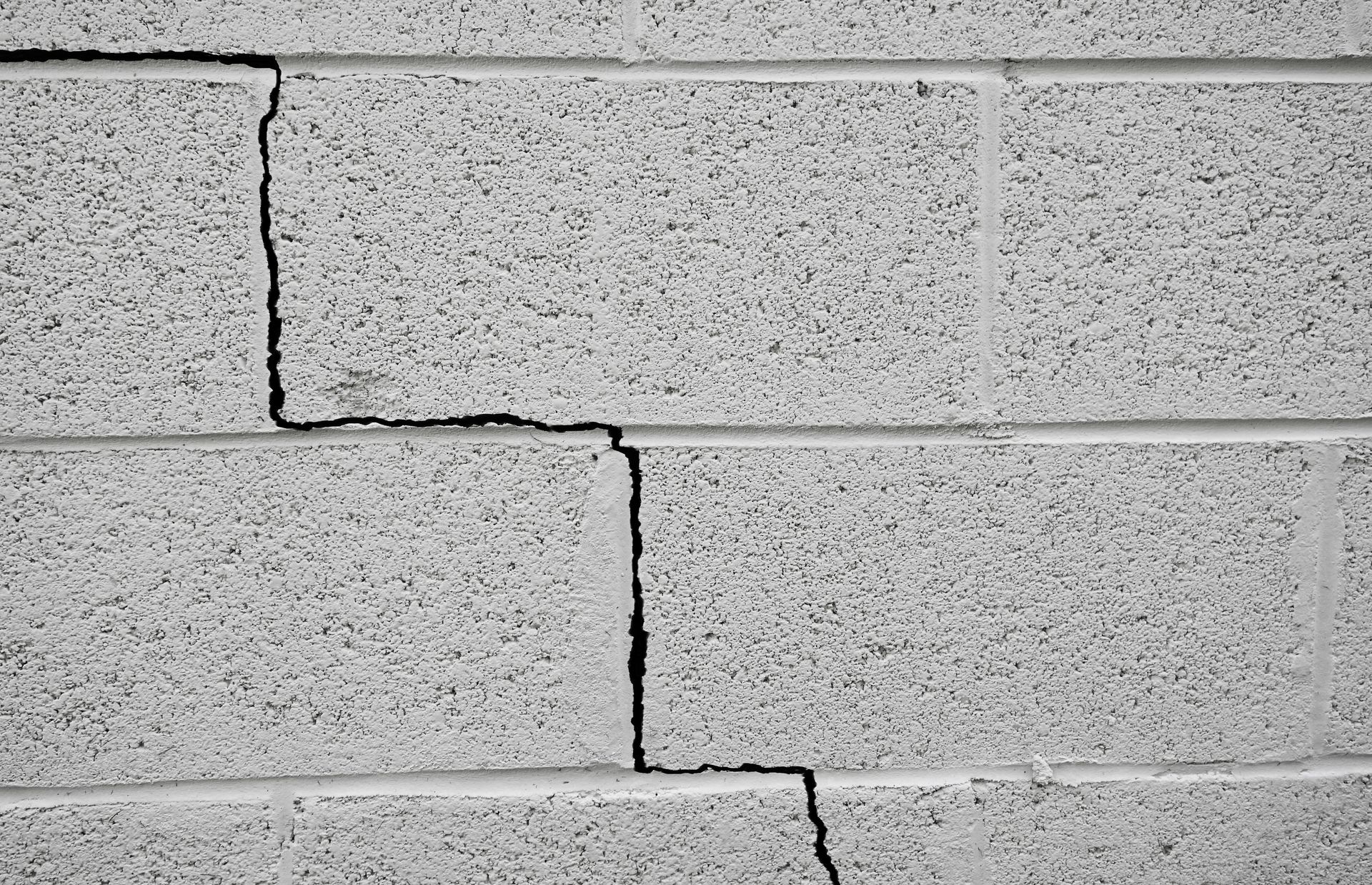
Walk the perimeter of your home twice a year. Look for horizontal cracks in the exterior concrete, stair-step cracks in brick mortar, doors that no longer latch properly, or windows that suddenly stick in their frames. If you spot these symptoms, it is time to call in the professionals.
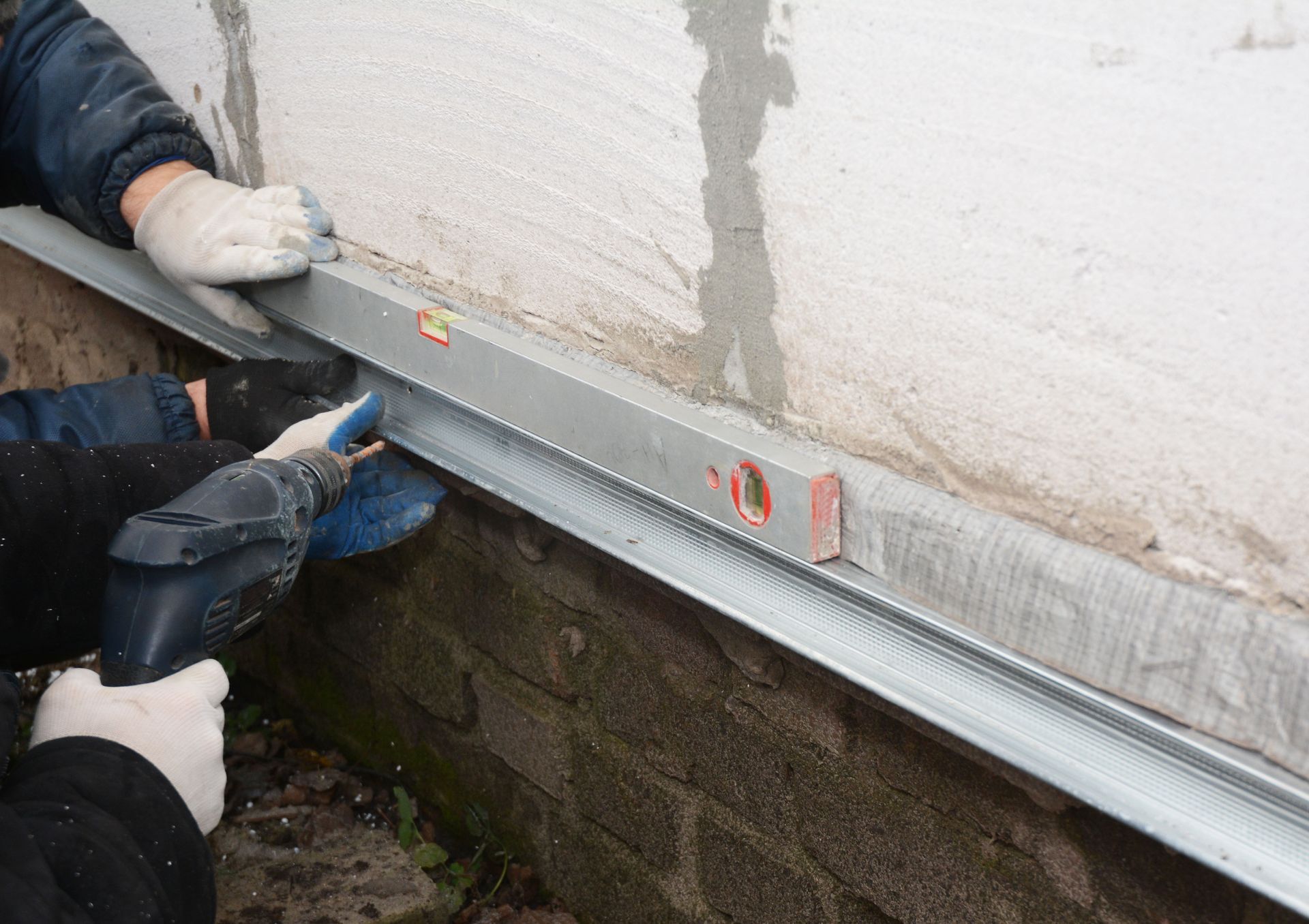
Choosing the right foundation repair service means selecting a team that accurately diagnoses the root cause of the movement—whether it is soil erosion, poor drainage, or a plumbing leak—rather than just patching the cosmetic damage. Our team is equipped to evaluate your home's unique structural needs, providing permanent solutions like steel piering, helical piers, or polyurethane void filling to lift, level, and secure your slab. Contact Gonzo Foundation Repair today to learn more.