November 26, 2026
Your home's foundation carries the weight of every wall, floor, and roof beam above it every single day. Because most of this concrete base sits underground or under flooring, small problems can hide out of sight for months or even years. Scheduling a regular foundation inspection helps you catch tiny shifts before they turn into major structural damage. Knowing the right time to call a professional protects your family's safety, preserves your home's resale value, and saves you from expensive foundation repairs down the road.
Many homeowners wait until they see a huge crack in the living room wall before calling an expert, yet early checkups are much easier on your wallet. Weather swings, soggy soil, home renovations, and simple aging all put steady pressure on the base of your house. By learning the everyday warning signs and seasonal triggers that affect concrete and crawl spaces, you can stay one step ahead of trouble. Let us walk through when to book an inspection and how to keep your home standing strong.
Understanding How Foundation Inspections Work
A foundation inspection is a thorough top-to-bottom checkup of the concrete slab, basement walls, or crawl space supporting your house. During a visit, a trained specialist looks at how your home sits on the ground, checks drainage paths around your yard, and measures whether floors or walls have tilted. Inspectors use helpful tools like laser levels to spot subtle slopes, moisture meters to find hidden dampness, and thermal cameras to detect water seeping behind walls. This careful look gives you a clear picture of your home's overall health.
Finding small issues early makes a massive difference in both safety and cost for everyday families. While a routine inspection costs a modest fee, ignoring hidden water leaks or sinking soil can eventually cause walls to bow and floors to sag. A qualified inspector explains what is normal settling and what needs attention right away. Having clear answers lets you plan ahead and decide whether simple maintenance or targeted foundation repairs will keep your house solid for decades.
Spotting Early Warning Signs Inside
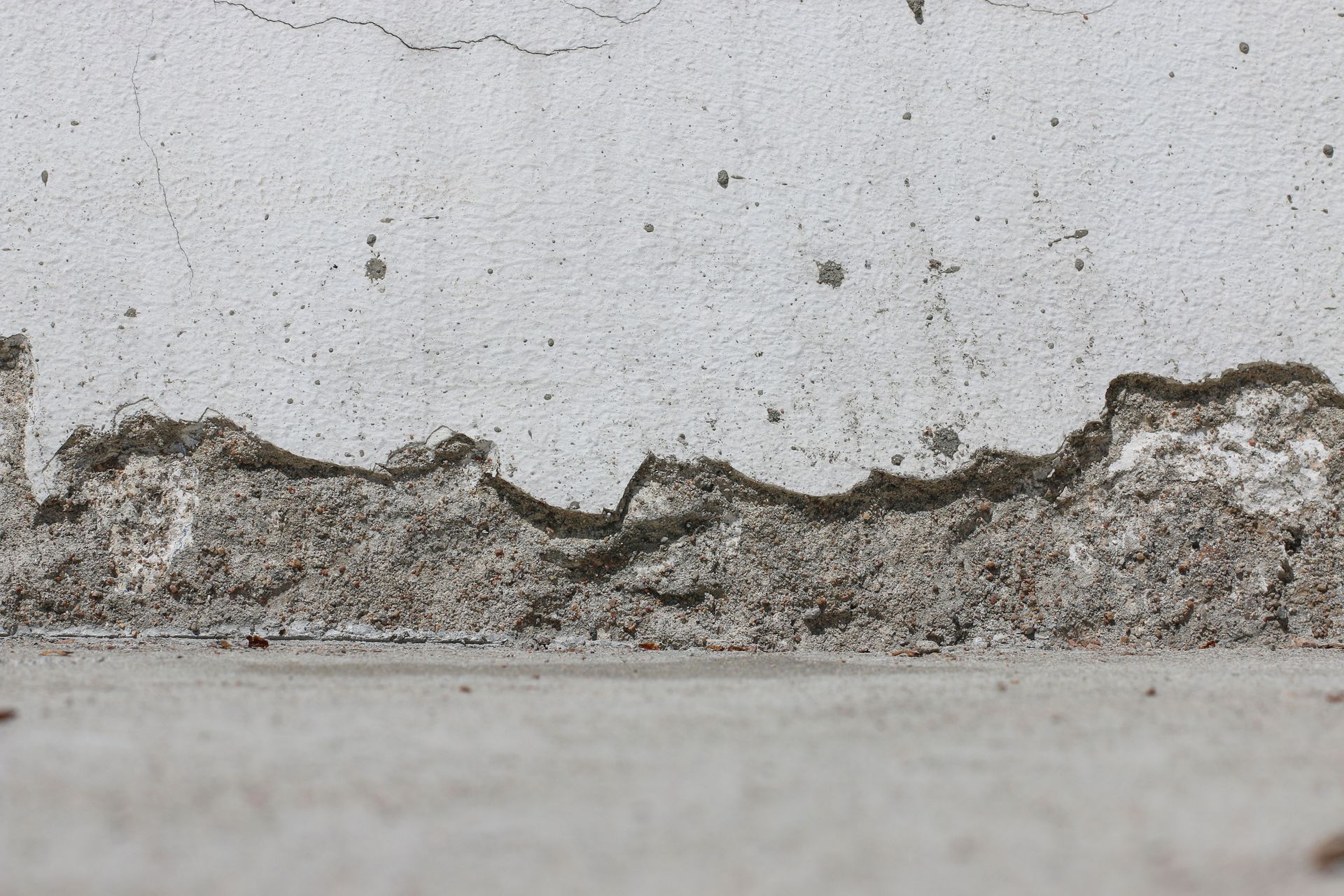
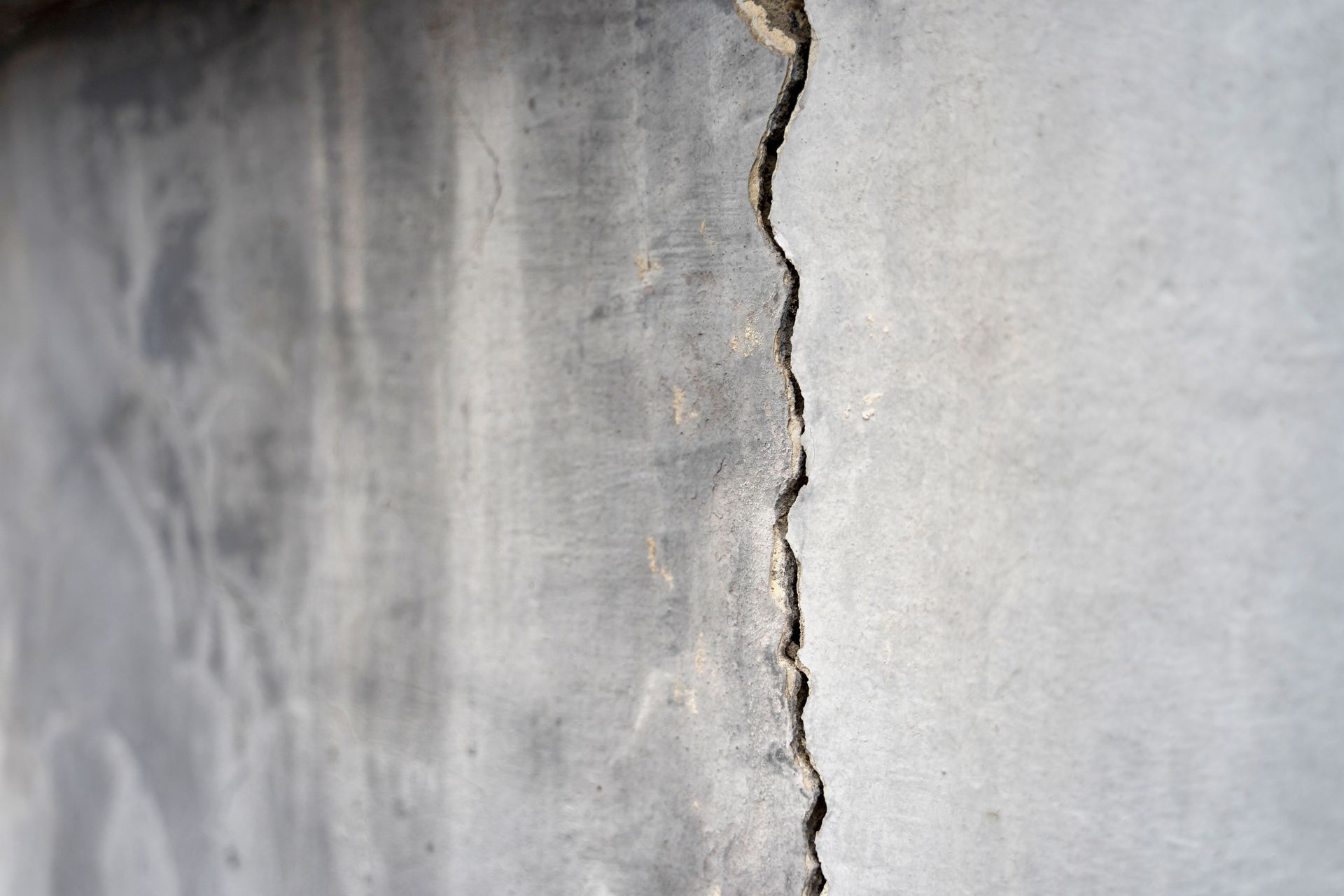
Your house often gives clear, everyday clues when the ground beneath it starts shifting or settling unevenly. Look closely at drywall around doorways and ceiling corners for stair-step cracks, widening gaps, or fresh splits that keep coming back after you patch them. Concrete floors in garages and basements can also show early stress. According to Gitnux, approximately 72% of houses in the United States feature concrete slab foundations that are susceptible to developing cracks. Calling an inspector when you spot new cracks helps catch trouble before minor settling turns into major foundation repairs.
Other warning signs show up in how your doors, windows, and floors behave during daily routines. If bedroom doors suddenly start sticking, refusing to latch, or swinging open on their own, the door frames may be twisting out of square. Windows that jam when you try to slide them open or floors that feel noticeably sloped under your feet also point to movement below. Musty smells, damp baseboards, or puddles near your exterior walls are extra signals that water is pooling around your foundation and needs prompt attention.
Watching Seasonal Weather and Soil
Changing weather and local soil conditions play a huge role in how your foundation behaves throughout the year. Clay-rich soil acts like a giant sponge, swelling up when heavy spring rains soak the ground and shrinking away from your house during dry summer heatwaves. This constant expanding and contracting pushes and pulls against concrete walls, creating pressure that leads to cracks over time. Booking an inspection after an unusually wet season or a long summer drought helps ensure your home handled those soil shifts safely.
Cold winter regions bring another tough challenge known as the freeze-thaw cycle. When water trapped in the soil freezes, it expands upward and presses hard against concrete footings, then leaves empty gaps behind when spring warmth melts the ice. Coastal homes face high humidity and salty air, while dry desert towns deal with shrinking dirt that leaves slabs unsupported. Scheduling seasonal checkups tailored to your local climate can prevent costly foundation repairs caused by shifting soil and trapped groundwater.
Building a Routine Inspection Schedule
Even if your walls look smooth and every door closes easily, setting up an annual foundation inspection is one of the smartest habits a homeowner can adopt. A quick once-a-year checkup catches blocked gutters, poor yard grading, and tiny hairline cracks before they grow into serious headaches. Regular visits spread home upkeep out evenly over time and reduce the risk of surprise foundation repairs later on. Think of it just like scheduling a yearly roof checkup or furnace tune-up to keep your biggest investment running smoothly.
Keeping a simple folder with your inspection reports, photos, and repair receipts also pays off over the long haul. Written records help inspectors compare measurements from year to year so they can tell right away if a tiny crack is stable or slowly widening. If your house sits on steep ground or has a history of water issues, your inspector might suggest checkups every six months instead of once a year. Having a clear maintenance history also reassures future buyers if you ever decide to sell your home.
Handling Special Events and Moves
Certain life events and sudden emergencies call for an immediate inspection outside your normal yearly schedule. Always book a thorough checkup right after a nearby earthquake, heavy flood, severe windstorm, or plumbing pipe burst under your slab. Even if your walls look fine on the surface, rushing water or sudden ground shaking can wash away supporting soil underneath your home. Getting a fast assessment right away documents any hidden damage for insurance claims and helps you plan necessary foundation repairs right after a storm or flood.
Buying a house, selling your property, or building a major home addition are also prime moments to call a foundation specialist. Adding a second story, enclosing a heavy porch, or remodeling a kitchen changes how weight presses down on your existing slab or footings. An inspection confirms your current base can safely support new construction without sagging. During a home purchase or sale, an independent foundation report gives both sides honest facts, prevents last-minute closing surprises, and supports fair price negotiations.
Choosing the Right Inspection Team
Finding the right specialist starts with looking for licensed structural engineers or established foundation professionals with strong local experience. Ask prospective companies how long they have worked in your area, what tools they use during an evaluation, and whether they provide a detailed written report with photos. Reading feedback from local neighbors and asking real estate agents or friends for referrals helps you spot reliable crews. Good inspectors take time to answer your questions in plain language and give honest advice without pushing unnecessary foundation repairs.
Before hiring anyone, compare written estimates from two or three qualified companies so you understand what each visit includes. Avoid choosing a company based only on the lowest price if they rush through the walk-through or skip moisture and level checks. A thorough inspection gives you clear facts, practical maintenance tips, and genuine peace of mind about your home's stability. Whether you need a routine checkup or expert
foundation repairs, professional guidance keeps your home safe for years to come. Reach out to Gonzo Foundation Repair today to schedule your inspection and protect your property from the ground up.