October 29, 2026
Water can affect a foundation before it appears inside the house. Rainfall changes the soil around the structure, runoff can collect beside exterior walls, and moisture may persist beneath raised floors. These conditions can develop gradually, making the connection between a wet area outdoors and a change indoors easy to overlook. A home may still feel comfortable while the ground supporting it is responding to repeated changes in moisture.
Understanding that connection helps homeowners recognize when a foundation repair company should evaluate a concern. The important question is how water moves around the property and whether it is affecting support, entering enclosed spaces, or contributing to visible movement. Looking at drainage and foundation condition together provides a clearer basis for deciding what professional work is appropriate.
Moisture Changes Can Move Supporting Soil
A foundation depends on the ground supporting it, and that ground does not respond identically to every change in weather. Clay soils can expand as they absorb moisture and contract as they dry. When those changes occur unevenly around a house, different areas of the foundation may experience different conditions. One portion may move while another remains more stable, placing stress on the structure above.
Dry conditions deserve attention alongside excess runoff. Clay can lose volume as moisture levels fall, and nearby tree roots can contribute by drawing water from the soil. If wet and dry conditions differ across the property, a foundation's support may also change unevenly, making moisture patterns relevant even when there is no standing water.
Repeated wet and dry periods matter even when the property has never flooded. For a foundation repair company assessing settling or heaving, soil behavior helps explain why one area of the home may move differently from another. Uneven floors or a crack provide a reason to investigate, while the surrounding conditions help establish what needs attention. The evaluation can then connect structural changes with a moisture problem that may have been developing gradually outside.
Concentrated Runoff Can Erode Support or Prolong Saturation
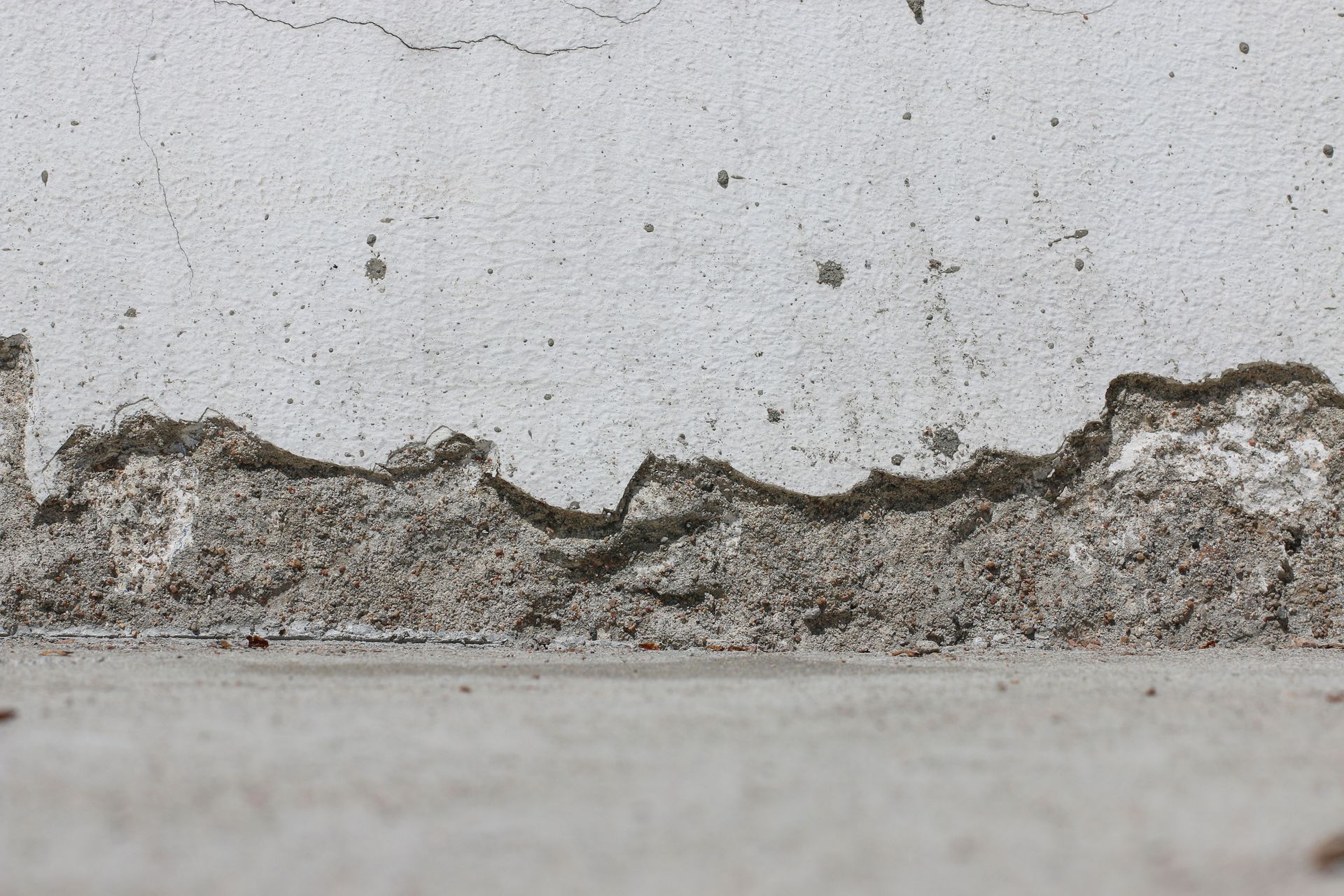
Rainwater needs somewhere to go after it reaches the ground. When runoff repeatedly collects near the house, the same section of soil may remain wet longer than surrounding areas. Water moving across the property can also carry soil away, leaving erosion around the structure. Standing water and erosion are different observations, but both can indicate that drainage deserves attention.
The property's shape helps explain why a problem develops in one area rather than another. Low spots or routes that direct runoff toward the house can concentrate water beside the foundation, even when other parts of the yard drain adequately. A puddle that returns after rainfall is useful information because it shows a recurring pattern rather than an isolated inconvenience. Professional assessment of topography and soil conditions can connect that pattern with a drainage approach suited to the property.
Roof runoff can add to the concentration when water discharges close to the structure. Where that discharge contributes to pooling, gutter extensions may form part of a professional drainage solution. The relevant issue is where the collected water goes after it leaves the roof.
Foundation Design Changes Where Water Problems Appear
Water exposure looks different depending on how a home is built. According to Fox Blocks, concrete slabs make up 54% of house foundations, while basements account for 30% and crawlspaces for 15%. Those differences matter because the foundation's design determines which areas contact the ground and where moisture may collect. A drainage concern beside a slab may present differently from water entering an enclosed space below the house.
Slab foundations rely on soil support beneath the structure, making changes in that support relevant to cracking, settling, or heaving. In a pier and beam home, moisture can affect the crawl space and components beneath the floor. Basements introduce below-ground walls and interior surfaces where dampness or water stains may become visible. Recognizing the foundation type helps a homeowner describe the concern without assuming that every wet area requires the same solution.
Those differences help a foundation repair company decide which concern needs attention. A damp crawl space may involve moisture conditions and supporting components beneath the floor, while a slab concern may involve uneven support from the ground. The same symptom of unwanted water can therefore lead to different work, depending on where it appears and how the structure is affected.
Indoor Changes Can Reflect Outdoor Water Problems
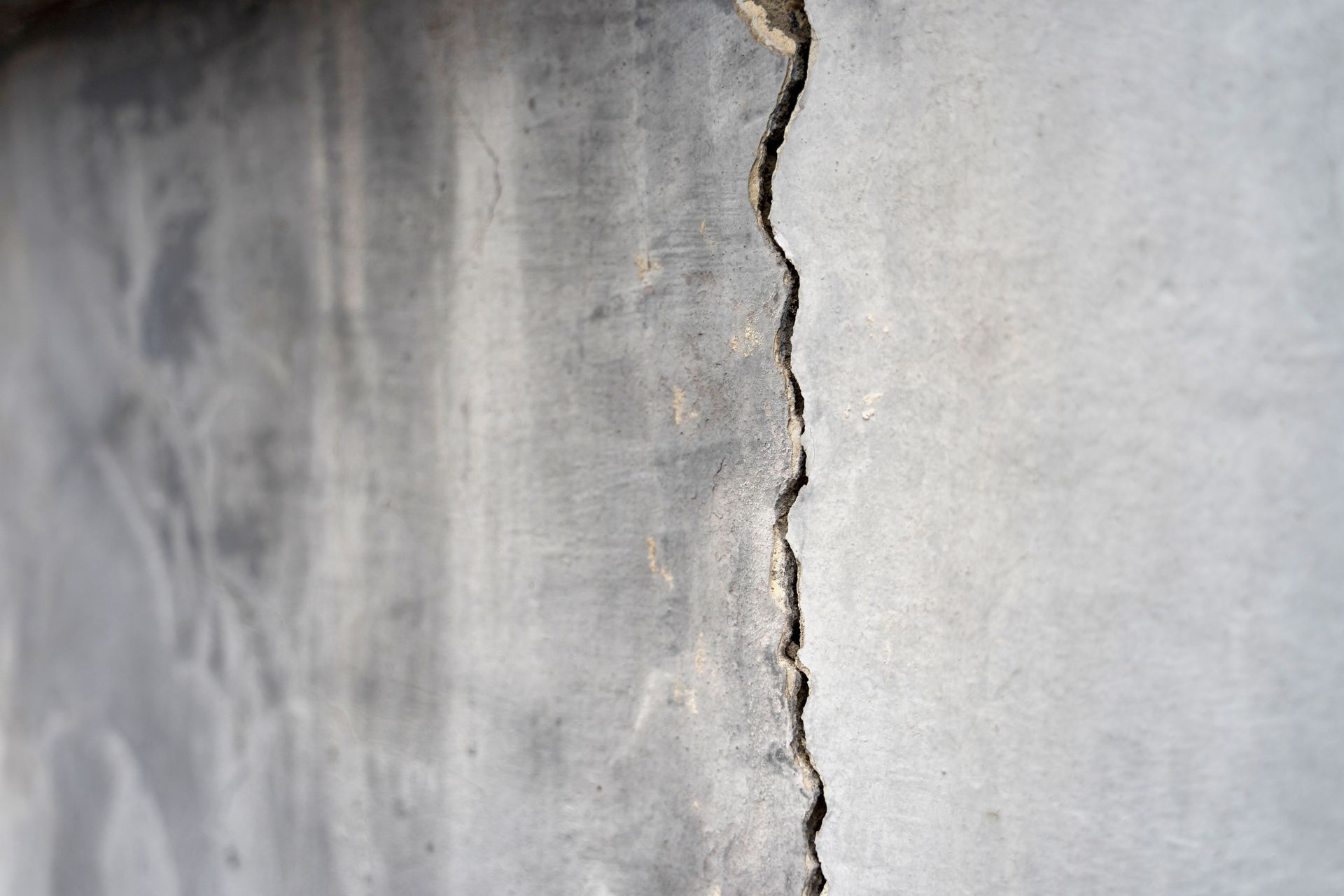
Foundation concerns are not always first noticed at ground level. Cracked walls, sticking doors or windows, and uneven floors may draw attention indoors before homeowners connect them with standing water or erosion outside. In lower spaces, dampness, musty odors, or water stains provide another reason to investigate moisture. These observations become more useful when considered together rather than treated as unrelated household annoyances.
An assessment by a foundation repair company can examine whether those changes are associated with foundation movement or water management problems. A crack alone does not explain its cause, and a wet area does not establish the extent of structural damage. Describing where a change appears, whether it is recurring, and how it relates to rainfall gives the evaluation useful context. Professional attention then helps distinguish a drainage concern from a repair need, including situations where both deserve consideration.
Drainage and Waterproofing Address Different Parts of the Problem
Effective water management depends on understanding where water collects and how it reaches vulnerable areas. When a foundation repair company also handles drainage, recommendations can account for both water movement and structural conditions. Surface drains can collect runoff at ground level, while French drains can intercept water below ground and direct it away from the foundation. The choice depends on the site, so the most suitable arrangement should follow an assessment rather than the assumption that one drain style fits every home.
Waterproofing has a related purpose of limiting moisture entry where the foundation or enclosed spaces need protection. Barriers and other waterproofing systems address that exposure, while drainage provides a route for water to move away. A property with runoff collecting beside a below-ground wall may need attention to both the water's route and the surface it reaches. Professional design can account for the soil and topography, connecting the arrangement to how water approaches the building and where it can be directed away.
Existing Foundation Movement May Also Need Repair
Improved drainage can address an ongoing source of moisture exposure, but existing movement requires its own evaluation. A foundation that has settled, heaved, or developed damaged components may need structural work alongside better water management. Restoring support and addressing water movement serve related purposes without being interchangeable. This distinction matters when a homeowner hopes that correcting a wet area will also resolve every change already visible inside the house.
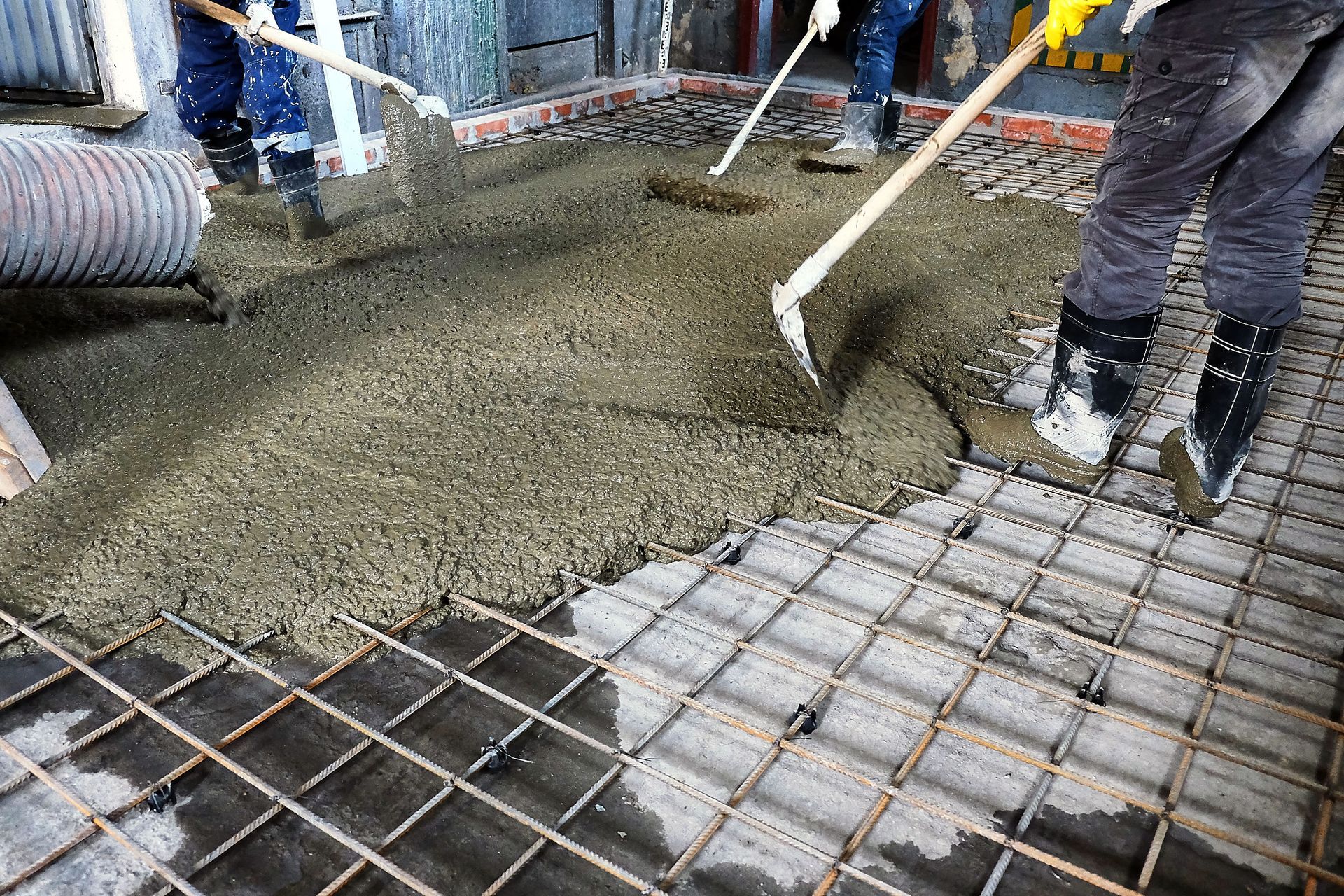
Repair recommendations from a foundation repair company may involve slab work, leveling, or pier and beam adjustments, depending on the damage found. In a crawl space with deteriorated supports, that work can include replacing damaged components or adding support where needed. The drainage plan should account for water conditions affecting the same area so both parts of the work address the property's needs. This keeps repairs focused on the damage already present while drainage work addresses the site's recurring water exposure.
Water around a home deserves attention for what it may reveal about the ground and structure, even before it creates an obvious indoor disruption. A professional evaluation helps homeowners respond to the cause of a change instead of simply living with its latest visible symptom. At Gonzo Foundation Repair, we evaluate foundation concerns and address related drainage and waterproofing problems. Contact us to discuss the changes you have noticed and arrange an assessment.