May 28, 2026
Foundation issues are among the most important structural concerns a property can face, yet they often go unnoticed until visible damage becomes difficult to ignore. For homeowners and building managers, understanding how and why these problems develop is essential for protecting long-term property value and safety. In many cases, early awareness can reduce the need for extensive foundation repairs, preventing minor shifts from turning into major structural failures. When addressed early, foundation repairs tend to be less invasive, less costly, and more predictable than when damage is allowed to progress unchecked.
The importance of this topic is underscored by the fact that foundation movement is not rare. Soil conditions, weather cycles, and construction quality all interact in ways that can place stress on a building’s base over time. Because of this, foundation repairs are not just a reactive solution but a key part of ongoing property maintenance in many regions.
What Causes Foundation Issues?
Foundation problems typically begin with changes in the soil beneath a structure. Expansive soils, in particular, are known for their tendency to swell when wet and shrink when dry, creating continuous movement under a home. According to Concrete Network, about 60% of homes built on expansive soils experience foundation stress due to soil moisture changes, leading to shrinkage or swelling. This constant shifting can gradually compromise structural stability.
Other environmental contributors include poor drainage, prolonged droughts followed by heavy rainfall, and tree roots that draw moisture away from the soil. Construction practices also play a significant role. If a foundation is not properly reinforced or if soil compaction was inadequate during building, the structure may be more susceptible to movement over time. In many of these scenarios, foundation repairs become necessary once the stress exceeds what the structure can naturally absorb.
Plumbing leaks beneath a slab can also create localized soil erosion, further destabilizing support areas. When multiple factors combine, the need for foundation repairs often becomes unavoidable, especially if the issue has been developing for several seasons.
How Can You Identify Foundation Problems?
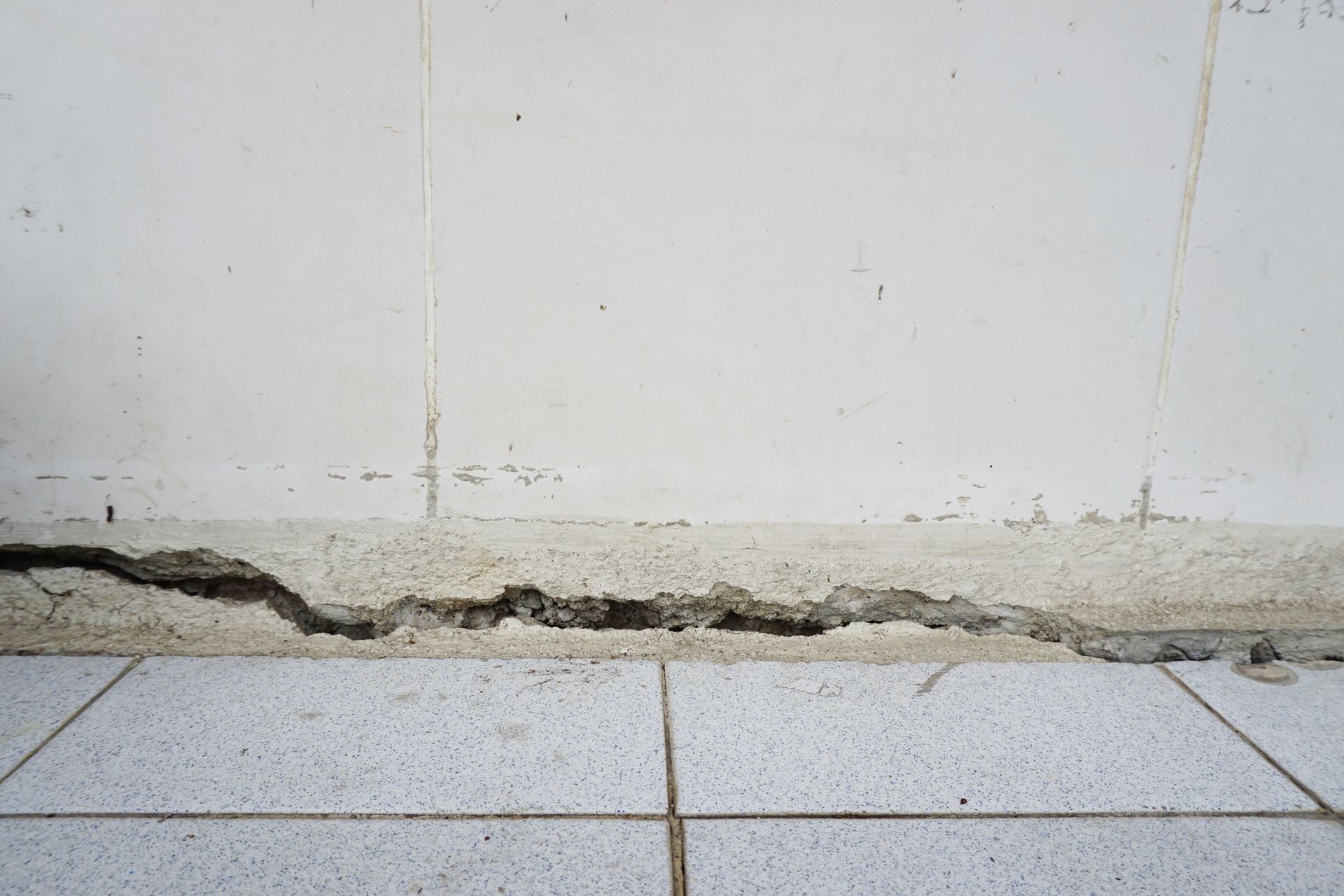
Recognizing early warning signs is one of the most effective ways to limit damage and reduce the scale of foundation repairs later on. One of the most common indicators is cracking in walls, especially diagonal cracks near doors or windows. These cracks often suggest that parts of the foundation are shifting unevenly.
Other signs include doors and windows that begin sticking or no longer closing properly. Floors that appear uneven or sloping can also point to underlying movement. In some cases, gaps may appear between walls and ceilings or between exterior brickwork and mortar joints.
Homeowners sometimes overlook these symptoms, attributing them to normal settling. However, when multiple signs appear together, they often indicate that foundation repairs may soon be required. Catching these issues early can make foundation repairs more targeted and significantly less disruptive.
Moisture in basements or crawl spaces is another red flag. Persistent dampness often signals drainage issues that can worsen structural instability. Addressing these early can reduce the likelihood of more extensive foundation repairs in the future.
Do All Foundation Issues Require Immediate Repairs?
Not all foundation issues require urgent intervention, but distinguishing between cosmetic and structural problems is essential. Hairline cracks that remain unchanged over time may not require immediate foundation repairs, especially if they are not expanding or affecting structural alignment. These can often be monitored periodically, with simple documentation such as photos over time to confirm whether any movement is occurring.
However, widening cracks, noticeable shifting in floors, or doors that suddenly become misaligned typically indicate more serious concerns. In these cases, delaying foundation repairs can lead to worsening damage and higher long-term costs. The key is determining whether the issue is stable or actively progressing, since structural movement rarely corrects itself without intervention.
Some properties experience seasonal movement due to temperature and moisture changes. While this movement may stabilize on its own, repeated or increasing changes usually signal the need for professional evaluation and potential foundation repairs. A careful assessment helps ensure that repairs are prioritized appropriately rather than applied prematurely or delayed unnecessarily. Over time, tracking how symptoms evolve across wet and dry seasons can provide clearer insight into whether the foundation is simply reacting to environmental conditions or responding to deeper instability.
What Are the Common Methods for Foundation Repairs?
There are several widely used approaches to foundation repairs, each suited to different types of structural damage and soil conditions. One of the most common methods is piering, where steel or concrete piers are driven deep into stable soil or bedrock to support and lift the foundation. This method is often used when significant settling has occurred, and it can provide long-term stabilization by transferring the home’s load away from shifting surface soils.
Slab jacking is another technique frequently used in foundation repairs. It involves injecting a grout mixture beneath a sunken slab to raise it back to its original level. This method is typically less invasive and can be completed relatively quickly depending on the extent of the issue. It is often chosen for smaller-scale settlement problems where full structural lifting is needed without major excavation.
In cases involving moisture-related soil instability, drainage correction is often incorporated into foundation repairs. This may include installing French drains, adjusting grading around the home, or improving gutter systems to redirect water away from the structure. Managing water flow is critical because unresolved drainage issues can undermine even the most well-executed structural fixes.
Wall anchors and carbon fiber reinforcement are also used when foundation walls begin to bow or crack. These solutions stabilize the structure and prevent further movement, with carbon fiber often used for less severe bowing and anchors applied when lateral pressure is more significant. Each method of foundation repairs is selected based on the specific conditions of the property, making professional evaluation an important step in the process, often supported by soil testing and structural inspection before work begins.
How Do Foundation Issues Impact Property Value?
Foundation problems can have a significant impact on property value, often influencing both marketability and final sale price. Homes requiring foundation repairs are typically viewed as higher risk by potential buyers, especially if the extent of the damage is unclear or poorly documented.
Even minor structural concerns can reduce buyer confidence, leading to lower offers or extended time on the market. In some cases, lenders may require foundation repairs to be completed before approving financing, further affecting the sale process.
On the other hand, completed and properly documented foundation repairs can help restore value and improve buyer trust. A home with a repaired and stabilized foundation is often seen as a safer long-term investment than one with unresolved issues. Transparency about past foundation repairs, including warranties or engineering reports, can also positively influence buyer perception.
Ultimately, addressing foundation issues early helps preserve equity and prevents deeper depreciation caused by ongoing structural decline.
Foundation issues are more common than many homeowners realize, and they often develop gradually due to soil conditions, moisture changes, and structural stress. While not every crack or shift requires immediate action, understanding when
foundation repairs are necessary is key to preventing long-term damage. From identifying early warning signs to choosing the right repair method, timely intervention can make a significant difference in cost and outcome. In most cases, addressing problems early ensures that foundation repairs remain manageable and that property value is protected over time. If you need foundation work, reach out to the team at Gonzo Foundation Repair today!